
Facet Syndrome
Understanding the Symptoms, Causes & Treatments of Facet Syndrome
Reviewed by: Dr. Christopher Good, Dr. Colin Haines, Dr. Ehsan Jazini
What is Facet Syndrome?
Each level of your spine functions as a three-joint complex. There are two facet joints in the back and a large disc in front that comprise each intervertebral segment. This tripod creates great stability, supports all your weight above each level and provides support for you to move in all directions.
The posterior facet joints are synovial joints, similar to other joints in the human body. They experience constant, repetitive motion, and can become worn or torn. They also can become restricted in movement or develop too much movement resulting in pain. The facet joints are shaped and angled differently in the cervical, thoracic and lumbar spine. This allows for all of the available motion within the spine.
Pain stemming from the facet joints is termed “facet syndrome.” The facet joints become inflamed and may cause pain, soreness and stiffness. Patients often report increased pain with extension or prolonged periods of inactivity like sitting or standing too long. Changing positions often improves pain. Facet syndrome pain may feel worse in the morning and improve after moving around as the day progresses. However, for those who work sitting all day with poor posture, they may experience pain throughout the day.


What Are Common Symptoms of Facet Syndrome?
Cervical (neck) facet joint syndrome can be felt in the areas of the base of the skull, neck, upper or mid-back, and even shoulders. Some patients may even present due to frequent headaches. Thoracic (mid back) facet syndrome is less common than cervical and lumbar (low back) facet syndrome and is probably related to restricted motion at these levels due to the rigidity of the thoracic spine. Pain experienced in thoracic facet syndrome is likely to be felt locally near the affected joint segment, often close to the midline. The lumbar spine has considerable motion and high compressive forces. Facet pain from these joints is quite common. Pain is usually felt directly over the affected joints, but may also be felt in the buttocks, hips, groin, and back of the thighs depending on which facet joint is injured.
When Should You Seek Treatment for Facet Syndrome?
If you’re noticing symptoms associated with Facet Syndrome and suspect a spinal issue, it’s crucial to consider consulting a board-certified spinal specialist. Reach out promptly to a certified spine surgeon for an accurate diagnosis and timely treatment. Early intervention can significantly improve your overall well-being and provide a broader range of treatment options, which may decrease as symptoms persist. The key to a successful and speedy recovery lies in addressing the root of the pain with your spine specialist as soon as symptoms arise.
While many people experience day-to-day back or neck pain, dismissing it as soreness, this may not be the case for everyone. If your pain persists for more than 10 days, it should be taken more seriously. Evaluate such prolonged pain with a spine surgeon to identify the root issue and determine the appropriate treatment. Additionally, be attentive to other signs related to back or neck pain that should not be ignored, including pain accompanied by fever, pain associated with loss of bladder control, and weakness/tingling/numbness in your arms or legs.
It’s important to note that these are general guidelines based on our expertise in spine care over the past three decades, recognizing that each patient’s symptoms may be unique.


What are Common Causes of Facet Syndrome?
Facet syndrome can be caused by trauma, such as a whiplash injury of the neck. Abnormal postures can overload spinal tissues, including the facet joints, and cause inflammation and pain in these joints. More commonly, degenerative changes in the cervical, thoracic and lumbar spine can lead to abnormal stress and strain. This results in increased loads on the facet joints.
How is Facet Syndrome Diagnosed?
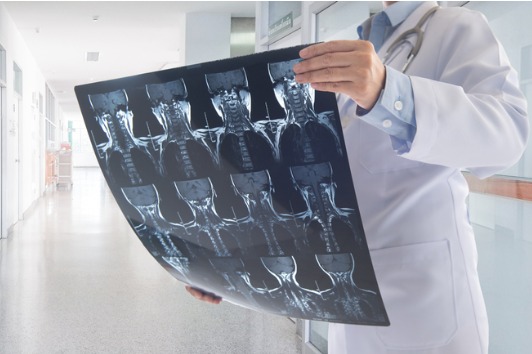
At your initial consultation your spinal specialist will diagnose your pain or symptoms. The visit will begin with a physical exam and collection of health history. In addition you will be asked to share the timeline and triggers of your pain and discomfort. Diagnosis of facet syndrome is made primarily from the history and physical exam. If facet syndrome is suspected, diagnostic imaging can be obtained. Imaging includes but is not limited to X-Rays, MRI, and CT scan. X-Rays will be done in-house at our facility during your initial consultation. These studies might show facet hypertrophy (enlargement of the joint) which would indicate the joint is under excessive stress.

What are Common Treatment Options for Facet Syndrome?
Most conservative treatments for facet syndrome involve postural correction, soft tissue massage and manipulation of the affected areas.
Spine-specialized physical therapists and osteopathic clinicians are adept at restoring movement and normal function in restricted and painful facet joints. Treatments are usually combined with a course of anti-inflammatory medications to decrease inflammation. Muscle relaxers may be used to decrease local muscle spasms.
When conservative treatments have failed to work, facet joint injections or medial branch blocks using steroid medications can help localize and reduce pain from facet joints. This can be safely performed using fluoroscopic X-ray guidance in an outpatient setting. If facet pain is temporarily improved or resolved by injections, further treatment options such as radiofrequency ablation may be suggested.