
Tennis Elbow
Understanding the Symptoms, Causes & Treatments for Tennis Elbow
Reviewed by: Dr. Niteesh Bharara, Dr. Thomas Nguyen, Dr. Yash Mehta, Larry Grine, MSPT
Tennis Elbow: Quick Facts
- Tennis elbow, also called lateral epicondylitis, is an overuse injury that affects the tendons attaching the forearm muscles to the outside of the elbow. Despite its name, most people who develop tennis elbow do not play tennis.
- Tennis elbow is commonly caused by repetitive gripping, lifting, twisting, or wrist movements associated with sports, manual labor, or everyday activities.
- Common symptoms include pain and tenderness on the outside of the elbow, reduced grip strength, and pain that may radiate into the forearm or wrist, especially when lifting, gripping, or turning objects.
- Because elbow pain can also be caused by arthritis, nerve compression, ligament injuries, or cervical spine conditions, an accurate diagnosis is important to determine the underlying cause of symptoms.
- Diagnosis typically includes a medical history and physical examination. In some cases, imaging studies such as X-rays or MRI may be recommended to rule out other conditions or evaluate persistent symptoms.
- Most patients improve with conservative treatment, including activity modification, physical therapy, anti-inflammatory medications, bracing, or injections. Surgery is generally reserved for patients whose symptoms persist despite nonsurgical treatment.
What is Tennis Elbow?
The elbow is a hinge joint that connects the upper arm and lower arm. It consists of three bones: the humerus, radius, and ulna. Each bone is capped with cartilage and a complex array of ligaments and tendons from various muscles that cross over the joint. Tennis Elbow, or lateral epicondylitis, is an overuse injury and inflammation of the common extensor tendons of the forearm as they attach to the lateral epicondyle, or outside part of the elbow.


What are Common Symptoms of Tennis Elbow?
- Pain and tenderness over the outside of the elbow
- Stiffness in the elbow joint, especially in the morning
- Pain with your grip
- Difficulty lifting heavy items, especially with your palm facing down
When Should You Seek Treatment for Tennis Elbow?
If you’re noticing symptoms associated with Tennis Elbow and suspect an issue, it’s crucial to consider consulting a board-certified specialist in order to obtain an accurate diagnosis and timely treatment. Early intervention can significantly improve your overall well-being and provide a broader range of treatment options, which may decrease as symptoms persist. The key to a successful and speedy recovery lies in addressing the root of the pain with your specialist as soon as symptoms arise.
While many people experience day-to-day pain, dismissing it as soreness, this may not be the case for everyone. If your pain persists for more than 10 days, it should be taken more seriously. Evaluate such prolonged pain with a specialist to identify the root issue and determine the appropriate treatment. Additionally, be attentive to other signs related to pain that should not be ignored, including pain accompanied by fever, pain associated with loss of bladder control, and weakness/tingling/numbness in your arms or legs.
It’s important to note that these are general guidelines based on our expertise over the past three decades, recognizing that each patient’s symptoms may be unique.

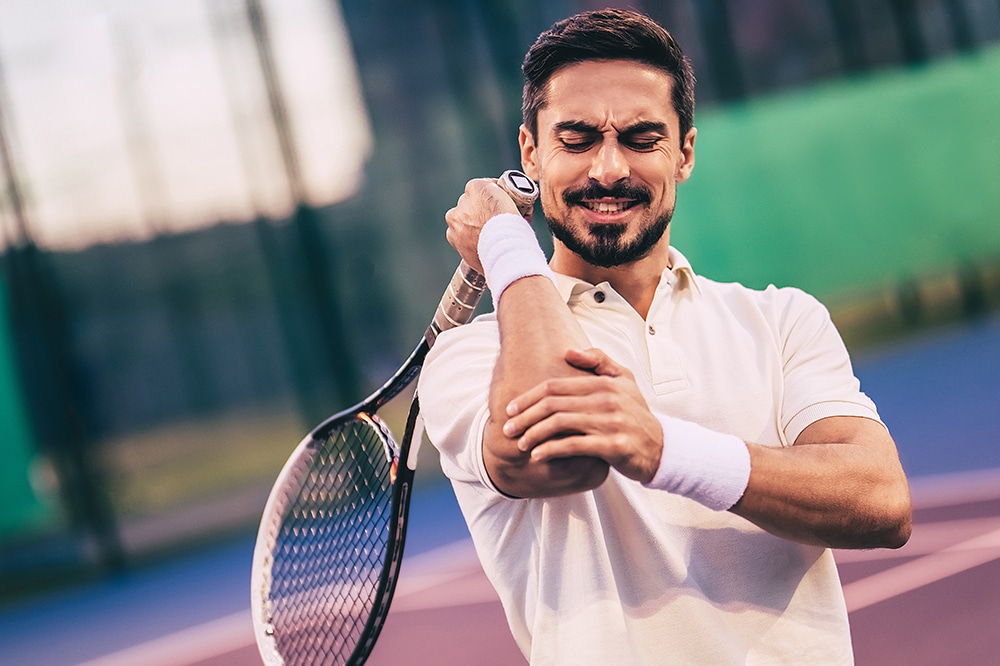
What are Common Causes of Tennis Elbow?
You do not need to be a tennis player to get tennis elbow! Most often this injury is due to overuse, especially with repetitive activities from certain jobs, sports, or home activities. Over time, the gripping muscles and tendons on the outside of the forearm/elbow sustain forces that exceed their capacity leading to micro-injuries. You may not notice these at first, but given enough time, the tendon starts having larger tears, gets thick, swollen, and inflammation starts to settle in causing pain and decreased function.
Who is at Higher Risk for Tennis Elbow?
- Repetitive gripping activities in sport, work, or daily life.
- As we age tendons get stiffer, weaker, and more prone to injury
- Smoking

How is Tennis Elbow Diagnosed?
A comprehensive history and physical examination is the most important piece to determine if the common extensor tendons are involved in your elbow pain. X-ray, MRI, and/or ultrasound are imaging modalities that allow us to see the tendons and surrounding tissues.
What are Common Treatment Options for Tennis Elbow?
- Bracing may be needed to help of-load the tendon and facilitate healing
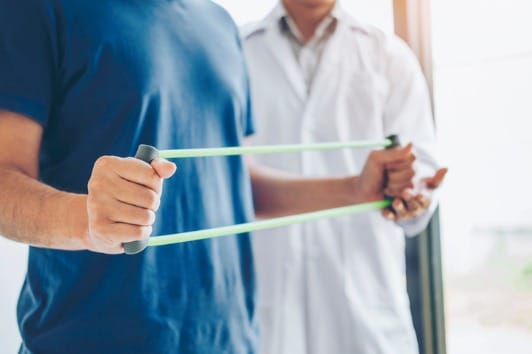
- Physical therapy – To help build strength and improve function of the weak tendons.
- Medications – NSAIDs or Tylenol may be recommended short term to help control symptoms while going through a physical therapy program
- Steroid Injections – Strong anti-inflammatory medicine may be injected, typically under ultrasound guidance, to help reduce pain and inflammation in order to better facilitate physical therapy. Steroid injections are typically okay once for extremely painful elbows, but repeated injections are not recommended as they often weaken the tendon, leading to worse symptoms and outcomes down the road.
- Regenerative medicine– Harnessing the body’s incredible power to heal itself, rebuild tissue, and avoid surgery. The best option is PRP to stimulate tissue healing and repair along with a course of physical therapy.
Your Path to Relief Starts Here
You may be dealing with ongoing pain and uncertainty due to your elbow symptoms. Our team specializes in treating tennis elbow with effective non-surgical options. The best next step is a personalized evaluation, with same-week appointment availability and no referrals needed.
Meet the Specialists Who Treat Tennis Elbow
Our team includes board-certified spine specialists and physical therapists with extensive experience diagnosing and treating tennis elbow. Each physician takes a personalized approach, combining advanced imaging and effective non-surgical therapies to deliver the best possible outcomes.

Dr. Niteesh Bharara is a double-board certified physiatrist who is recognized in the top 7% of physicians in the United States. Leading the Mid-Atlantic region in regenerative therapies and injections such as stem cell therapy, PRP therapy, VIA Disc and adipose fat injections, he’s earned the title of Face of Regenerative Medicine by Washingtonian Magazine and Top Doctor recognition in consecutive years.