
Non-Surgical SI Joint Fusion
What Is Minimally Invasive Sacroiliac Joint Fusion?
SIJ fusion from PainTEQ is an innovative approach to treating chronic sacroiliac joint pain that has transformed how we address persistent low back discomfort. Traditionally, sacroiliac joint fusion required surgical intervention with screws to fuse the sacrum (lower back) to the pelvis (hip bone), involving extended recovery periods and significant surgical risks. With the LINQ® procedure from PainTEQ, patients now have access to a minimally invasive, non-surgical alternative that achieves stabilization without hardware. This advanced treatment option provides lasting relief while preserving joint functionality and dramatically reducing recovery time. The procedure is performed in an outpatient setting and offers a middle ground between temporary relief methods and invasive surgical fusion.
Unlike traditional surgical fusion that completely immobilizes the joint, the LINQ approach allows for maintained functionality without placing added stress on the lower lumbar spine or hip joints. This means you can achieve the pain relief you need while retaining the natural movement patterns your body requires for daily activities.
LINQ® Procedure Benefits
Unlike traditional surgical fusion that completely immobilizes the joint, the benefits of the LINQ approach allow for maintained functionality without placing added stress on the lower lumbar spine or hip joints. This means you can achieve the pain relief you need while retaining the natural movement patterns your body requires for daily activities.
What Conditions Does Non-Invasive SIJ Fusion Treat?
While low back pain can stem from numerous sources, SIJ fusion specifically targets sacroiliac joint-mediated pain. This procedure is designed for patients whose primary pain generator has been clearly identified as the sacroiliac joint.
The sacroiliac joint connects your spine to your pelvis, and when this joint becomes dysfunctional or degenerative, it can cause significant chronic pain that radiates through the lower back, buttocks, and sometimes down the legs. This pain can mimic other spinal conditions, which is why accurate diagnosis is essential before considering SIJ fusion. Conditions that may lead to sacroiliac joint pain and benefit from fusion include:
- Sacroiliac joint dysfunction or instability
- Degenerative sacroiliitis
- Post-traumatic sacroiliac joint injury
- Chronic sacroiliac joint inflammation
- Failed conservative treatments for SI joint pain
Ready to see if Non-Surgical Sacroiliac Joint Fusion is Right for You?
What to Expect During Non-Surgical SI Joint Fusion
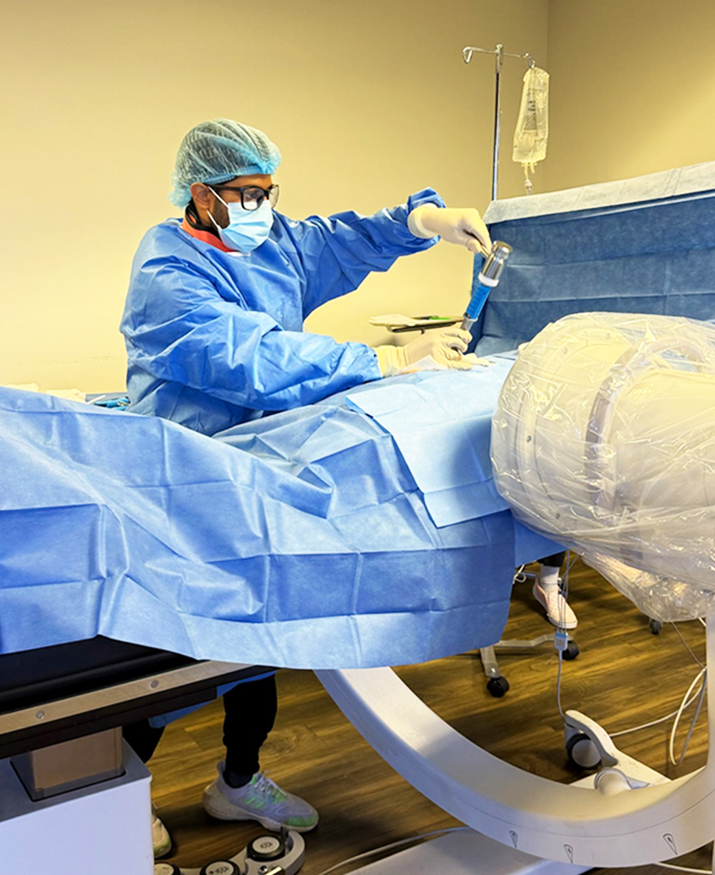
The PainTEQ SIJ fusion procedure is performed in approximately 45 minutes in an outpatient setting. Learn more about how this procedure works here. This procedure has helped over 14,000 people in the U.S. Understanding what happens during the procedure can help ease any concerns and prepare you for a smooth experience.
- Sedation and Comfort – The procedure is performed under IV conscious sedation, meaning you will be relaxed and comfortable but not completely unconscious. Local anesthetic is also administered to numb the treatment area, ensuring you experience minimal discomfort during the procedure itself.
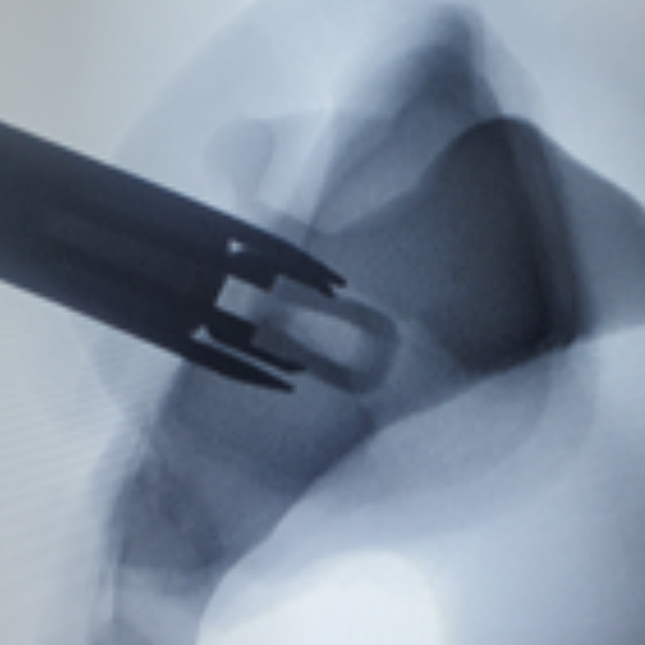
- Minimally Invasive Technique – Through a small incision, specialized instruments are used to access the sacroiliac joint. The PainTEQ system allows for precise placement without the need for large surgical incisions or hardware such as screws and plates.
- The Procedure Process – Your physician will use advanced imaging guidance to ensure accurate placement. The implant material is carefully introduced to promote stabilization of the joint while maintaining some functional movement. The entire process is designed to be as gentle as possible on surrounding tissues.
- Same-Day Discharge – Because this is an outpatient procedure, you will typically go home the same day after a brief recovery period where medical staff monitors your initial response to the treatment.
Recovery After Non-Invasive SI Joint Fusion
Immediate Post-Procedure Care (First 48 Hours)
Keep the incision site dry by avoiding showers for the first 48 hours. The dressing should remain in place and be kept clean and dry during this initial period. You may experience some soreness at the treatment site, which is normal and manageable with prescribed pain medication.
First Six Weeks
This is the critical healing period where the implant material integrates with your natural tissue. During these weeks, you should take it easy and follow these guidelines:
- Avoid alcohol and smoking for at least the first two weeks, as these can impair healing
- Walk and stay active with light activities
- Avoid lifting more than 15 pounds
- Limit bending and twisting movements
- Change dressings daily after the first 48 hours
- No NSAIDs (non-steroidal anti-inflammatory drugs) for six weeks to allow proper healing
Gradual Return to Activities
Most patients find they can return to normal daily activities within a few weeks, with continued improvement over the following months. Your specific timeline will depend on your individual healing response and activity level.
The recovery from SIJ fusion is significantly faster than traditional surgical fusion, allowing you to return to the activities you enjoy much sooner while still achieving lasting pain relief.
Optimizing Your LINQ® Procedure
At VSI, we believe recovery starts before your procedure even takes place and continues long after it is complete. This forward-thinking approach is at the heart of the Recovery Revolution™, a movement created to transform how patients experience healing and restoration.
We use advanced procedures and tools to set the stage for optimal recovery. Our recovery therapies reduce inflammation, enhance your healing capacity, and accelerate your return to the life you love. It is part of our 5 Pillars of Recovery, which include cutting-edge technology, surgical precision, continuity of care, and specialized recovery modalities.