
Bertolotti Syndrome
Understanding the Symptoms, Causes & Treatments of Bertolotti Syndrome
Reviewed by: Dr. Colin Haines, Dr. Christopher Good, Dr. Ehsan Jazini
VSI Is First in the World to Provide Minimally-Invasive Bertolotti Solutions Utilizing Robotics and Augmented Reality
Bertolotti Syndrome: Quick Facts
- Bertolotti syndrome is a congenital spinal condition involving a transitional vertebra in the lower spine
- It occurs when the L5 vertebra partially fuses or forms a joint with the sacrum, often called a pseudoarticulation
- This abnormal structure can alter spinal mechanics and lead to chronic lower back pain
- The condition is estimated to affect up to 4 to 8 percent of the population but is often underdiagnosed
- Symptoms may mimic other conditions such as herniated discs or sacroiliac joint dysfunction
- Treatment typically begins with conservative care and may progress to injections or surgery if needed
- Accurate diagnosis is critical to ensure the right treatment approach
What is Bertolotti Syndrome?
Bertolotti syndrome is lower back pain caused by a lumbosacral transitional vertebra (LSTV), a spinal variation present from birth where the lowest lumbar vertebra, usually L5, partially fuses or forms an extra joint with the sacrum.
This transitional segment at the lumbosacral junction changes how the spine moves and distributes load, which can lead to chronic pain over time.
The variation is also described as sacralization of L5, when the lumbar vertebra takes on sacral characteristics, or lumbarization of S1, when the top sacral segment takes on lumbar characteristics.
Why Bertolotti Syndrome Causes Pain
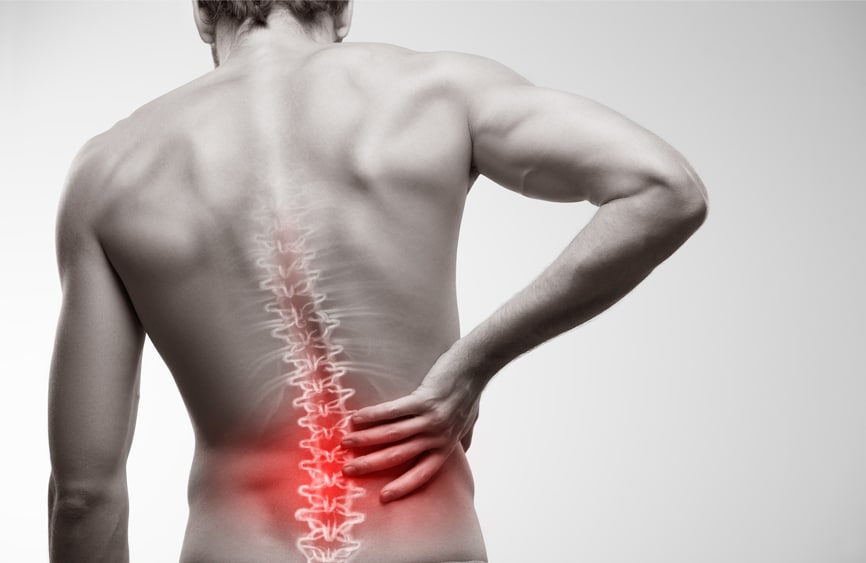
Not all individuals with a transitional vertebra experience symptoms. Pain develops when the abnormal structure disrupts how the spine distributes force and movement.
Common mechanisms that lead to pain include:
- Abnormal spinal mechanics that increase stress on adjacent discs and joints
- Early degeneration of the disc above the transitional vertebra, causing chronic low back pain
- Formation of a pseudo-joint that becomes inflamed or arthritic
- Nerve irritation due to altered alignment or bone overgrowth
Over time, these factors can lead to persistent lower back pain, stiffness, and reduced mobility. In some cases, patients may also experience
How Common Is Bertolotti Syndrome?
Lumbosacral transitional vertebrae are relatively common, occurring in approximately 4% to 8% of the population. However, only a subset of individuals develop symptoms severe enough to be classified as Bertolotti Syndrome.
Because symptoms often resemble more common spine conditions, the syndrome is frequently underdiagnosed or misattributed to other causes of back pain.

Types of Bertolotti Syndrome
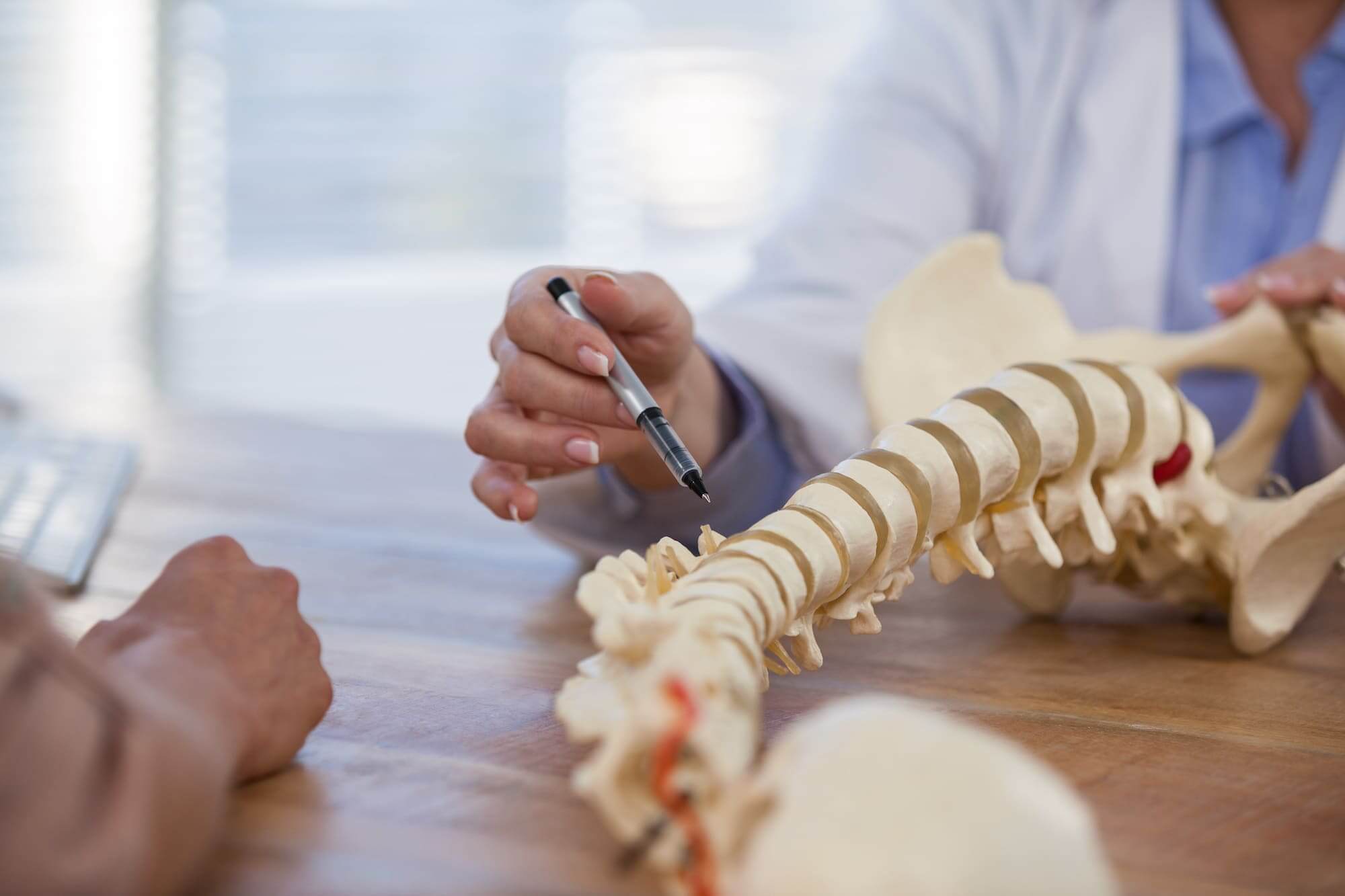
Bertolotti syndrome is often categorized using the Castellvi classification system, which describes how the transitional vertebra is structured.
- Type I: Enlarged transverse process without forming a joint
- Type II: Partial articulation with the sacrum
- Type III: Complete fusion with the sacrum
- Type IV: A combination of articulation on one side and fusion on the other
Understanding the specific type helps guide treatment decisions and determine whether the abnormal structure is likely contributing to symptoms.
Schedule a professional evaluation with VSI for expert diagnosis and personalized guidance.
Schedule Today with a Bertolotti Expert
Symptoms of Bertolotti Syndrome
Symptoms can vary depending on the severity of the structural abnormality and how it affects surrounding tissues. Common symptoms include:
- Chronic lower back pain, often localized to one side
- Pain that worsens with activity or prolonged standing
- Stiffness or reduced range of motion
- Pain that may radiate into the hips or legs
- Discomfort that does not respond to typical back pain treatments
Because these symptoms overlap with other conditions, a thorough evaluation is necessary for accurate diagnosis.
How Bertolotti Syndrome Is Diagnosed
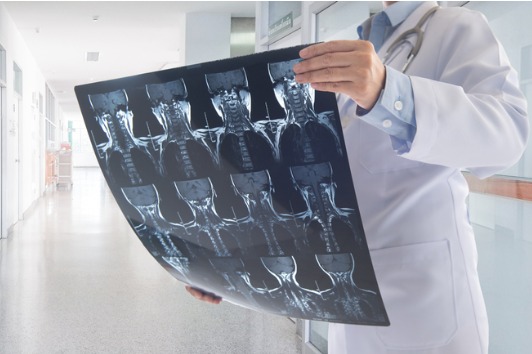
Diagnosis typically involves a combination of clinical evaluation and imaging.
Common diagnostic tools include:
- X-rays to identify transitional vertebrae
- CT scans or MRI to assess surrounding structures and rule out other conditions
Diagnostic injections to confirm whether the abnormal joint is the source of pain
A precise diagnosis is essential to ensure that treatment is targeted and effective. At VSI, Bertolotti Syndrome treatment plans are personalized to each patient’s unique needs, starting with a precise diagnosis to ensure the most effective and personalized approach to your spine care.
Treatment Options for Bertolotti Syndrome
At VSI, Bertolotti syndrome is treated in stages, starting with the least invasive option that controls symptoms. Most patients improve with non-surgical care. When pain persists, treatment may progress to targeted injections, regenerative medicine, and, if needed, surgery.
For surgical candidates, two approaches are very different and worth understanding. Bertolotti resection removes the abnormal bony connection while preserving the spine’s natural motion. Spinal fusion permanently joins the segment and is reserved for cases with instability or significant degeneration.
Conservative Treatment
Most patients begin with non-surgical care, which may include:
- Spine-specialized physical therapy focused on improving mobility and strength
- Anti-inflammatory medications to reduce pain and swelling
- Activity modification to limit aggravating movements
Injection-Based Treatment
If conservative care does not provide sufficient relief, targeted injections may be used:
- Corticosteroid injections to reduce inflammation in the pseudo-joint
- Diagnostic injections to confirm the source of pain
Regenerative Medicine Treatment
innovative therapies harness the body’s natural healing capabilities, offering safe, minimally invasive options with quicker recovery time than surgery.
- Stem cell therapy for Bertolotti syndrome healing
- Platelet-rich plasma (PRP)
Surgical Treatment
Surgery may be considered for patients with persistent symptoms that do not respond to other treatments.
Surgical options may include:
- Bertolotti resection surgery of the abnormal bony connection
- Spinal fusion surgery in cases with instability or significant degeneration
The appropriate approach depends on the patient’s anatomy, symptoms, and overall health.
Conditions Commonly Confused With Bertolotti Syndrome
Bertolotti syndrome is often mistaken for other causes of lower back pain. Differentiating between these conditions is critical for effective treatment.
|
Condition |
Key Difference |
|
Caused by disc material pressing on nerves rather than a structural vertebral variation |
|
|
Pain originates from the SI joint rather than a transitional vertebra |
|
|
Refers to nerve-related leg pain and is a symptom rather than a root cause |
|
|
Age-related disc breakdown rather than a congenital abnormality |

When To See a Spine Specialist
You should consider seeing a spine specialist if:
- Lower back pain persists despite conservative treatment
- Pain is localized and consistent rather than intermittent
- Symptoms interfere with daily activities or quality of life
- Previous treatments have not provided lasting relief
Early evaluation can help identify whether Bertolotti Syndrome or another condition is the underlying cause.
Why Choose VSI for Bertolotti Syndrome Treatment
At VSI, our team specializes in diagnosing and treating complex spine conditions, including those that are often overlooked or misdiagnosed, such as Bertolotti syndrome.
We focus on:
- Comprehensive evaluations to identify the true source of pain
- Personalized treatment plans based on each patient’s condition and goals, prioritizing your full recovery from pain
- Advanced non-surgical and surgical options when appropriate
Our goal is to help patients achieve long-term relief while avoiding unnecessary procedures whenever possible. As a premier destination for Bertolotti Syndrome care, VSI supports fly-in patients with seamless coordination, from medical planning to travel assistance and post-surgical rehab. We’re committed to helping you navigate the complexities of this unique condition and return to your quality of life.
Whether you prefer a virtual or in-person consultation, our goal is to help you understand your symptoms and build a treatment plan tailored to your needs. Call today to connect with a new patient coordinator and get started on your road to recovery.
Your Path to Relief Starts Here
You may be dealing with ongoing pain, uncertainty, or a recent diagnosis. VSI’s team specializes in treating Bertolotti syndrome with both non-surgical and surgical options. The best next step is a personalized evaluation, with same-week appointment availability and no referrals needed.
Meet the Specialists Who Treat Bertolotti Syndrome
Our team includes board-certified spine specialists with extensive experience diagnosing and treating Bertolotti syndrome. Each physician takes a personalized approach, combining advanced imaging, non-surgical therapies, and when necessary, surgical expertise to deliver the best possible outcomes.

Dr. Niteesh Bharara is a double-board certified physiatrist who is recognized in the top 7% of physicians in the United States. Leading the Mid-Atlantic region in regenerative therapies and injections such as stem cell therapy, PRP therapy, VIA Disc and adipose fat injections, he’s earned the title of Face of Regenerative Medicine by Washingtonian Magazine and Top Doctor recognition in consecutive years.