
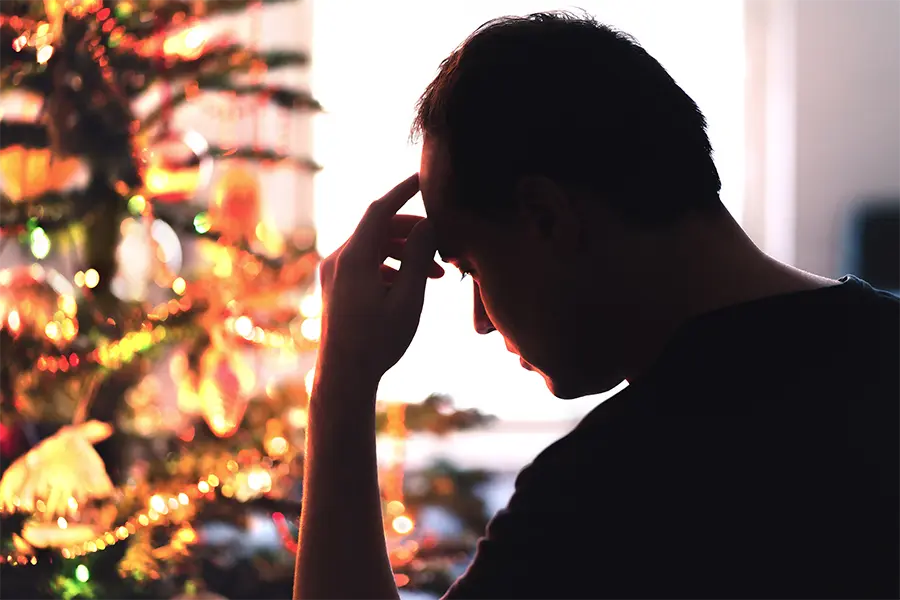
Holidays, Hormones, and Headaches: Causes & Relief Tips
The stretch between Thanksgiving and New Year’s can be joyful, but it is also uniquely demanding on the body. Routines change, sleep becomes inconsistent, stress rises, and holiday favorites often mean more sugar and alcohol than usual. For many people, that combination creates a perfect storm that shows up as headaches, fatigue, brain fog, muscle tightness, and poor sleep. If you’ve ever wondered why your body seems to revolt during what should be the most wonderful time of the year, you’re not alone. In a recent Fox 5 DC segment, Dr. Yash Mehta of VSI explained what is happening under the surface and how small routine resets can help you feel better heading into the new year.
Why the Holidays Trigger More Headaches and Body Aches
Headaches are common during the holidays, but the headache itself is usually the symptom, not the root problem. The holidays create what Dr. Mehta calls a “perfect storm” for physical disruption. Our carefully maintained routines crumble under the weight of family gatherings, travel schedules, and endless celebrations. We stay up later than usual, move less than we normally would, and indulge in foods and drinks our bodies aren’t accustomed to processing in such quantities.
“Holidays are meant to be a time of joy and family, but sometimes family stresses us out, or the cooking that we have to do for the family stresses us out,” Dr. Mehta explained during his segment. This stress triggers hormonal changes that affect nearly every system in our body.
The hormones that can amplify symptoms
Several key systems can get pushed out of balance during the holidays:
- Cortisol (stress hormone): Stress is not just “in your head.” It is biochemical. Elevated stress can raise cortisol, which may increase muscle tension and reduce your body’s resilience.
- Melatonin (sleep hormone): Late nights, irregular sleep, and screens can interfere with melatonin patterns, making it harder to fall asleep and stay asleep.
- Insulin (blood sugar regulation): Holiday sweets, specialty drinks, and grazing can cause blood sugar spikes and crashes, which may contribute to fatigue, irritability, and headache susceptibility.
Together, these disruptions throw our bodies “into whack,” as Dr. Mehta put it, creating the ideal conditions for headaches and other physical symptoms. When those factors layer on top of each other, the nervous system can become more sensitive, muscles may tighten, and your threshold for pain can drop.
Headaches: What They Can Tell You
One of the most important points Dr. Mehta emphasized is that headaches are symptoms, not diagnoses. He uses a helpful analogy: just as chest pain signals a potential heart attack or stomach pain might indicate appendicitis, head pain tells us something is happening in our body that needs attention. It is your body’s alert that something is off. For many people, holiday headaches are not migraines; they are tension-type headaches associated with tight muscles and cumulative stress.
Tension headaches vs. migraines
Migraines are a specific type of headache that often includes symptoms like sensitivity to light, sensitivity to sound, nausea, and a strong preference for a quiet, dark environment. Those symptoms matter because they can point to a migraine pattern. Most holiday headaches, however, tend to be driven by muscle tension, poor sleep, dehydration, inconsistent meals, and stress. If your neck, shoulders, or upper back feel tight, your headache may be tied to muscular strain and nervous system overload rather than a single “mystery trigger.”
A quick self-check when a headache hits
Instead of focusing only on the headache itself, step back and scan for root causes:
- Did you sleep well for the last few nights?
- Have you been drinking enough water?
- Did you skip meals or rely heavily on sweets and caffeine?
- Have you been stressed, traveling, or sitting in awkward positions for long stretches?
- Do your neck and shoulder muscles feel tight or tender?
These questions help pinpoint what’s really triggering your discomfort. This type of check helps you ultimately identify what could be causing your headaches.
Sugar, Caffeine, and the Crash
Holiday drinks can be deceptively powerful because they combine sugar, caffeine-like compounds, and habits that encourage fast consumption. Dr. Mehta used hot cocoa as a simple example: it is enjoyable, but the ingredients and portion size can quickly create one of those perfect storms.
“This is my vice of choice around the holidays,” Dr. Mehta admitted, demonstrating that even healthcare professionals aren’t immune to holiday temptations. The difference lies in awareness and moderation.
How sugar can contribute to headaches and fatigue
Sugar can cause rapid increases in blood glucose followed by a drop. That swing can leave you feeling drained and can trigger symptoms such as:
- Headaches
- Brain fog
- Irritability
- Fatigue
When we consume sugar, especially in large quantities, our blood sugar spikes rapidly. Our body responds by releasing insulin to process this surge. Once the sugar is processed, we experience what Dr. Mehta describes as a “crash out,” leading to irritability, brain fog, and fatigue as our body works to recover.
The form of sugar matters significantly. A banana and a donut might contain similar amounts of sugar, but a banana has fiber and natural sugars that our body processes over approximately four hours. A donut, however, hits our system with all its sugar within 30 minutes, forcing our body to scramble to process it.
Dr. Mehta’s peppermint hot chocolate example was particularly eye-opening: one cup contains 75% of the recommended daily sugar intake, consumed in just five minutes. “It’s not wrong to drink hot chocolate. I do it all the time,” he noted. “But am I drinking it once every couple days during the holidays, or am I having two or three cups of hot chocolate in a day, which then takes a big toll on my body?”
Caffeine and Alcohol: Why it makes everything worse
Beyond sugar, chocolate contains caffeine and tyramine, both of which can contribute to headaches in susceptible individuals. Caffeine provides a temporary boost by preventing the body from feeling tired, but when it fades, exhaustion hits all at once. This sudden crash can trigger headaches and exacerbate the fatigue many people already feel during the busy holiday season. Alcohol tends to amplify the same systems already under pressure during the holidays.
Why Sleep and Hydration Matter
When sleep is short or irregular, the body has less opportunity to repair muscle tissue and regulate the nervous system. During the holidays, late nights, early mornings, travel, and schedule changes can add up quickly. Inconsistent or inadequate sleep can increase inflammation, raise baseline stress response, and heighten nerve sensitivity. In plain terms: when you are tired, everything feels louder, heavier, and harder, including pain. If headaches are frequent during the holidays, improving sleep quality is often one of the fastest ways to reduce intensity and frequency, even if you cannot make your schedule perfect. Find some tips to sleep like a pro here.
A simple hydration rule
Dr. Mehta stressed the importance of hydration, particularly when consuming alcohol. Dehydration doesn’t just make us feel sluggish; it affects our spinal joints, discs, and muscles, increasing stiffness and pain. When the neck and upper back tighten due to dehydration, headaches become much more likely.
His simple tip: one drink equals one glass of water. This straightforward ratio helps maintain hydration while still allowing you to enjoy holiday celebrations.
Everything in Moderation
When asked about the single most important takeaway, Dr. Mehta didn’t hesitate: “It’s not one thing, it’s everything in moderation.” The goal isn’t perfection or complete abstinence from holiday pleasures. Rather, it’s about finding balance. Are you getting seven and a half to eight hours of sleep? Are you staying hydrated throughout the day? Are you enjoying sugar without going overboard? Are you maintaining some level of physical activity, even if it’s just a daily walk?
Routine Resets for Holiday Headache Prevention
The goal is not perfection. The goal is a reset mindset: small improvements that reduce the overall load on your system. If you remember one theme from Dr. Mehta’s message, it is this: everything in moderation, and routine resets over rigid rules.
Your holiday reset checklist:
- Prioritize sleep consistency: Aim for a steady bedtime and wake time when possible, even if you cannot hit ideal sleep every night.
- Hydrate throughout the day: Start earlier than you think you need to, especially if you will be traveling or drinking alcohol.
- Do not skip meals: Steady fuel supports steadier energy and fewer sugar crashes.
- Move daily: A walk improves circulation, reduces muscle tension, and supports sleep quality.
- Take short breaks: Even 15–20 minutes of quiet recovery can help calm the nervous system and reduce tension buildup.
Tips to Prevent the Holiday Health Slide
When It’s Time to Get Help
As we approach the new year, many of us feel the physical toll of the holiday season. The good news is that understanding why our bodies react this way empowers us to make small changes that can significantly improve how we feel.
Pay attention to your body’s signals. If you’re experiencing headaches, consider what might be causing them rather than simply reaching for pain medication. Are your routines disrupted? Have you been less active? Is stress affecting your muscle tension? Is your sugar intake higher than usual?
How VSI Can Help
If headaches are being driven by chronic neck tension, upper back tightness, or underlying spine-related issues, a targeted evaluation can help clarify what is contributing to your symptoms and what treatment options may fit your goals. VSI specializes in comprehensive spine care and can help patients identify the root cause behind recurring pain patterns.
The holidays should be a time of joy, not physical discomfort. By understanding the connection between our habits and our symptoms, we can enjoy the season while supporting our body’s need for balance and routine.
Topics covered
About the Author


Featured Resources
Insights to Achieve a Pain-Free Life