
Diagnostics
Diagnostics – The First Step in Finding Your Solution
We know that getting to the root cause of your symptoms is the only way to get you to your ultimate goal – recovery. Diagnostic imaging and tests are a vital step in us determining the best solution for you. We often use a combination of X-Ray, MRI and Ultrasound imaging and may order further tests, such as an EMG, Discography or Injection. Putting all of these pieces together allows us to quickly discuss your custom plan of care and ensure we are suggesting the best, and correct, treatment for you.

X-Ray
An X-ray is a medical imaging test that uses a low dose of electromagnetic radiation to create images of the inside of your body. It works by passing X-rays through the body, where different tissues absorb varying amounts of radiation. We use x-ray imaging primarily to evaluate your bone structure.
Having in-house x-ray available allows us to quickly evaluate your imaging during your appointment so your care isn’t delayed.
Magnetic Resonance Imaging (MRI)
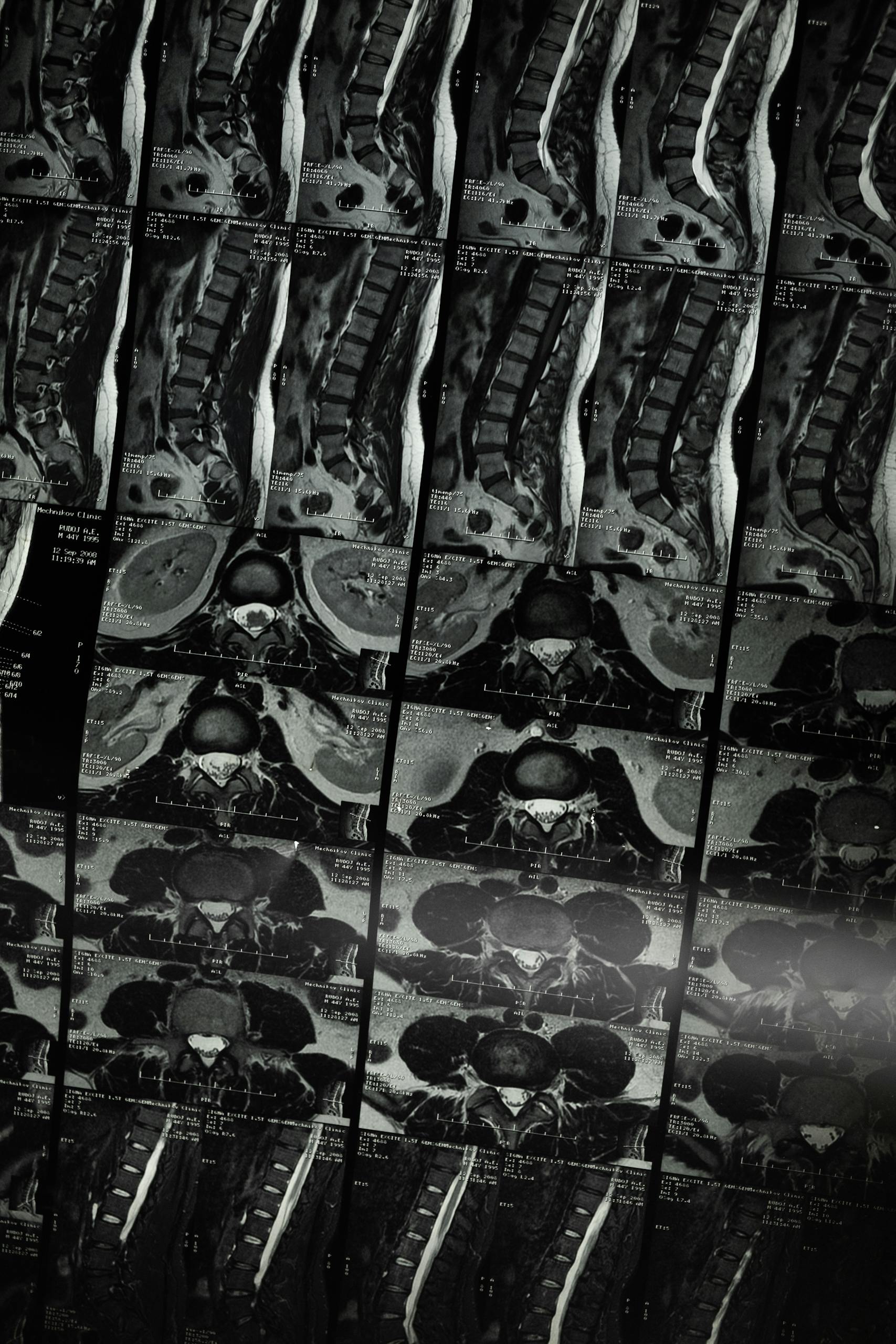
An MRI (Magnetic Resonance Imaging) is a medical scan that uses strong magnets and radio waves (not X-rays) to create detailed pictures of your body’s internal structures, especially soft tissues like the brain, spinal cord, muscles, and spinal discs, by detecting signals from water molecules in your body. It’s a safe, non-invasive way for doctors to diagnose conditions, view anatomy, and monitor treatments, producing cross-sectional “slices” of the body.
While we don’t have in-house MRI capabilities, we will assist with getting your MRI scheduled, expedited and authorized if required.

Ultrasound
Ultrasound serves much of the same functions as above, but can also help identify soft tissue injuries, especially around muscles, tendons, ligaments and even nerves. Additionally, the ultrasound allows a more dynamic way to view the body. The patient can move the area of interest and we can see how the structure is affected with certain movements
Having in-house ultrasound available allows us to quickly review your imaging during your appointment so your care isn’t delayed.
Electromyography (EMG)
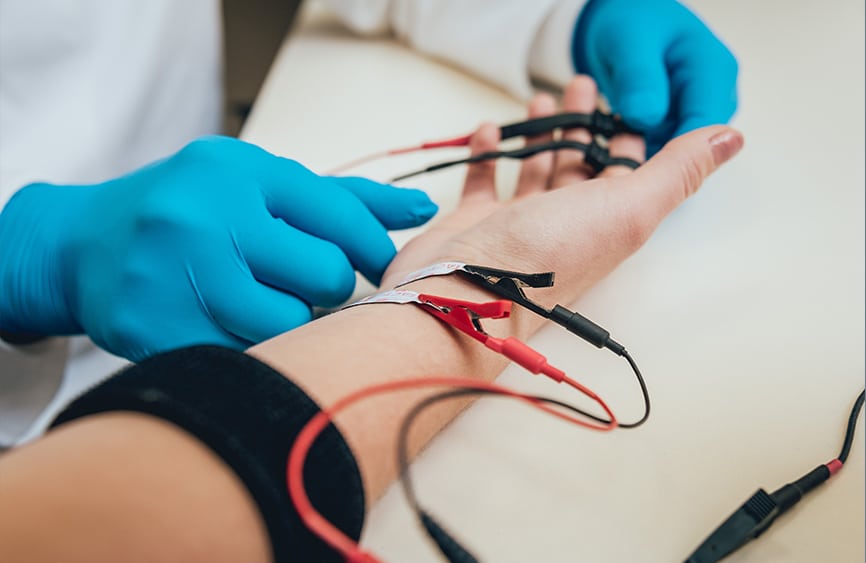
An EMG, or electromyography, is a diagnostic test that measures the electrical activity of your muscles to detect neuromuscular abnormalities. It can help diagnose conditions like carpal tunnel syndrome, nerve damage, and muscle diseases by showing how well nerves and muscles are functioning. The test involves either a needle electrode being inserted into a muscle or surface electrodes applying mild electrical pulses to nerves, both of which show electrical activity as wavy lines and popping sounds
Discography
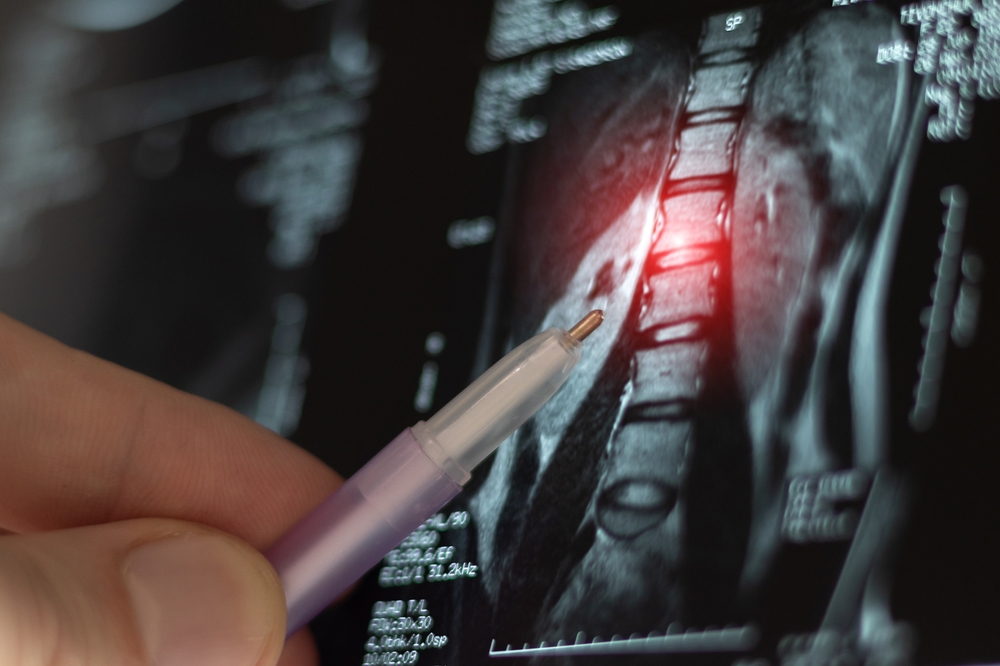
A discography (or discogram) is a diagnostic imaging test that helps pinpoint the exact spinal disc causing back pain by injecting a contrast dye into the discs while a doctor monitors the patient’s pain response and takes X-rays to see the disc’s internal structure. The key is that if the injected disc is the source of the patient’s chronic pain, the injection will temporarily reproduce that specific pain, helping surgeons plan treatments like spinal fusion.
Injections
Diagnostic injections are injections designed to better understand where your pain is stemming from. Typically, an anesthetic agent, like lidocaine, is injected to block pain-sensing nerves in a specific area guided by imaging (x-ray and/or ultrasound). Other diagnostic injections use contrast, a special dye, used to assess the integrity of different structures and if they are pain generators.
Using Diagnostic Injections allows us to pinpoint exact levels in the spine where your pain and symptoms are generating from and allows us to know what treatment to suggest.