
Chronic Back Pain in Women: Why Pain Should Never Be the End of the Story
Key Takeaways: Chronic Back Pain, Motherhood, and Hope
- Chronic low back pain in mothers is common, but it should not be dismissed as normal. Pain that limits parenting, work, sleep, movement, or family life deserves a precise diagnosis and treatment plan.
- Many women with back pain, hip pain, nerve pain, Bertolotti syndrome, SI joint dysfunction, or failed back surgery syndrome are told their condition is too complex to treat. At VSI, complex spine care begins with identifying the true source of pain.
- Kellie’s patient success story shows how the right evaluation and treatment plan can help a mother return to daily life, fitness, family milestones, and hope after years of chronic pain.
Women Who Spend Decades Searching for Answers
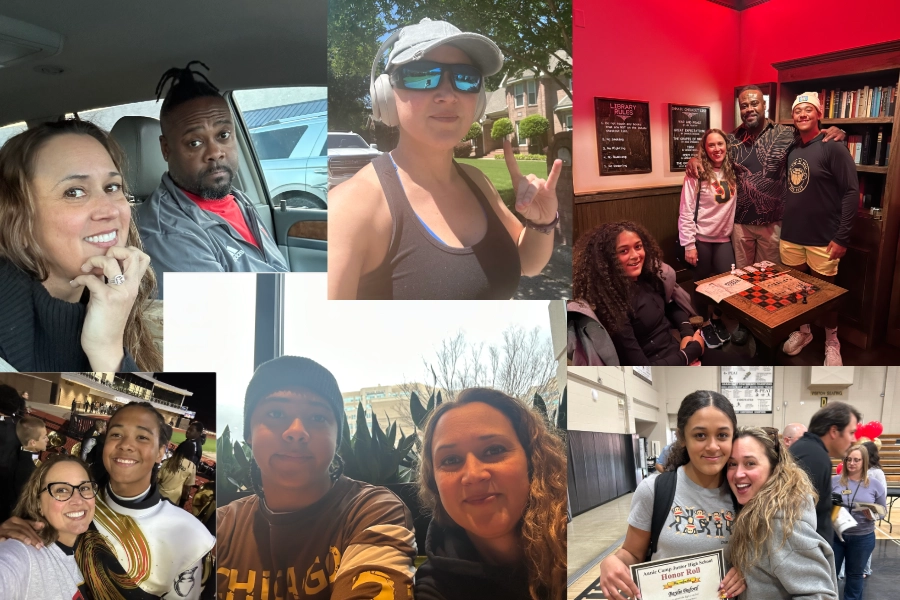
May is Women’s Health Month, focusing on the challenges and solutions to living with pain while managing motherhood – and all of the joys and demands that bring. Motherhood is filled with a lot of joy. The first steps. The school plays. The senior nights. The proms. But when you’re in pain, all of those moments get harder to be present for. And the truth is, a lot of mothers are in pain. This Mother’s Day, Kellie’s story captures what is at stake for many mothers living with chronic back pain and what true recovery from Bertolotti syndrome looks like.
Living with Bertolotti Syndrome as a Woman
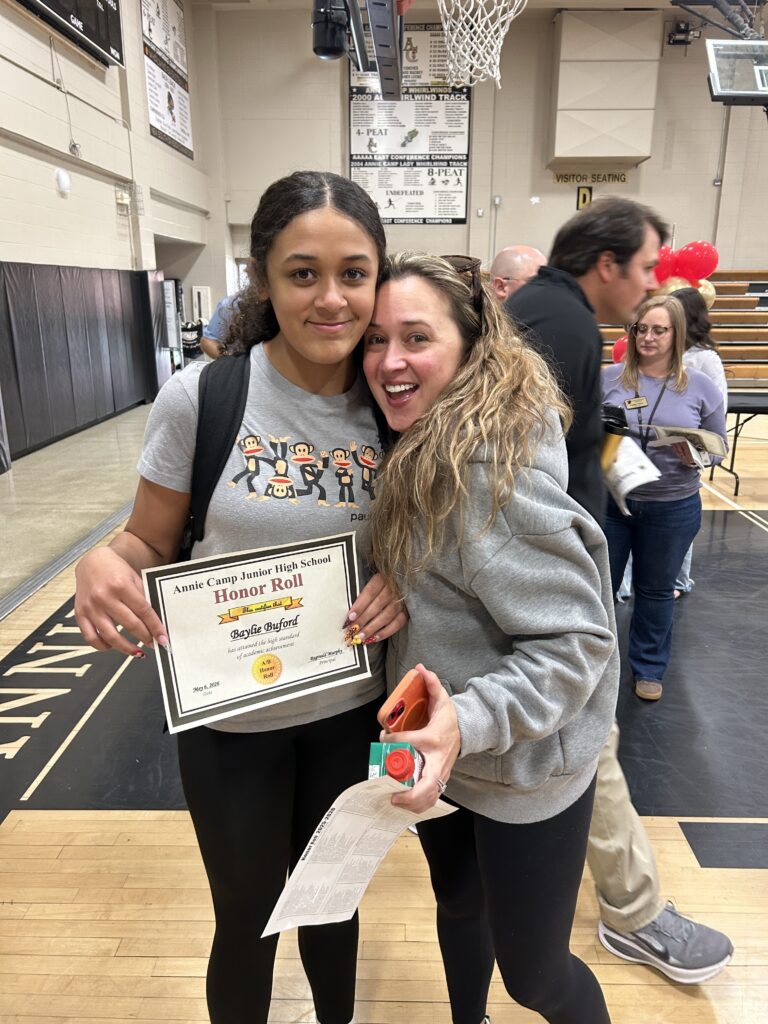
Kellie is a history professor at Arkansas State University, a fitness instructor of 20 years, a wife, and a mother of two. She also lived with chronic back pain for two decades before finding VSI. Her pain began at age 26 that was later recognized as a spinal condition called Bertolotti syndrome. This can become a painful source of low back, hip, buttock, or nerve-related symptoms and is often overlooked.
What is Bertolotti Syndrome?
Bertolotti syndrome is a congenital spinal condition involving a transitional vertebra in the lower spine. This genetic spine condition may be missed without specialized evaluation. In simple terms, Bertolotti syndrome occurs when part of the lower spine is shaped differently from birth, creating abnormal movement patterns that can lead to discomfort or chronic pain over time. Luckily, Bertolotti syndrome can be treated with spine-specialized physical therapy, injections, stem cell therapy, spinal fusion surgery, and Bertolotti resection surgery. Many patients who have this condition are able to recovery fully.
Can Bertolotti surgery fail?
If a Bertolotti spine surgery is not done properly or does not fully address the problems of the patient’s spine, the surgery can fail and result in greater back pain. That is exactly what Kellie experienced before finding VSI. Over the next 20 years, Kellie experienced ruptured discs, severe disc degeneration, two laminectomies and discectomies, a bilateral SI joint fusion, and a Bertolotti’s resection that did not fully resolve the problem. By the time she found VSI, she had already undergone four spine surgeries, and her pain continued to worsen, which is commonly referred to as failed back surgery sydrome (FBSS). Her children grew up watching her crawl through the house when her back gave out. Family plans were shaped around her pain. She left school events early, could not sit comfortably in bleachers, had not taught fitness classes in more than a decade, and had not run in 15 years.
She had even been told by another surgeon that he would ignore her Bertolotti’s joint because he did not know what to do with it. The best he could offer was a full spinal fusion with a spinal cord stimulator. That answer did not feel acceptable to Kellie. At 2 a.m. one night, she searched for answers and found a video of another VSI patient success Janel, whose story mirrored her own. She woke her husband and said, “I think I found the person who can help me.”
Life After Custom Spine Surgery: Returning to Fitness, Family, and Hope
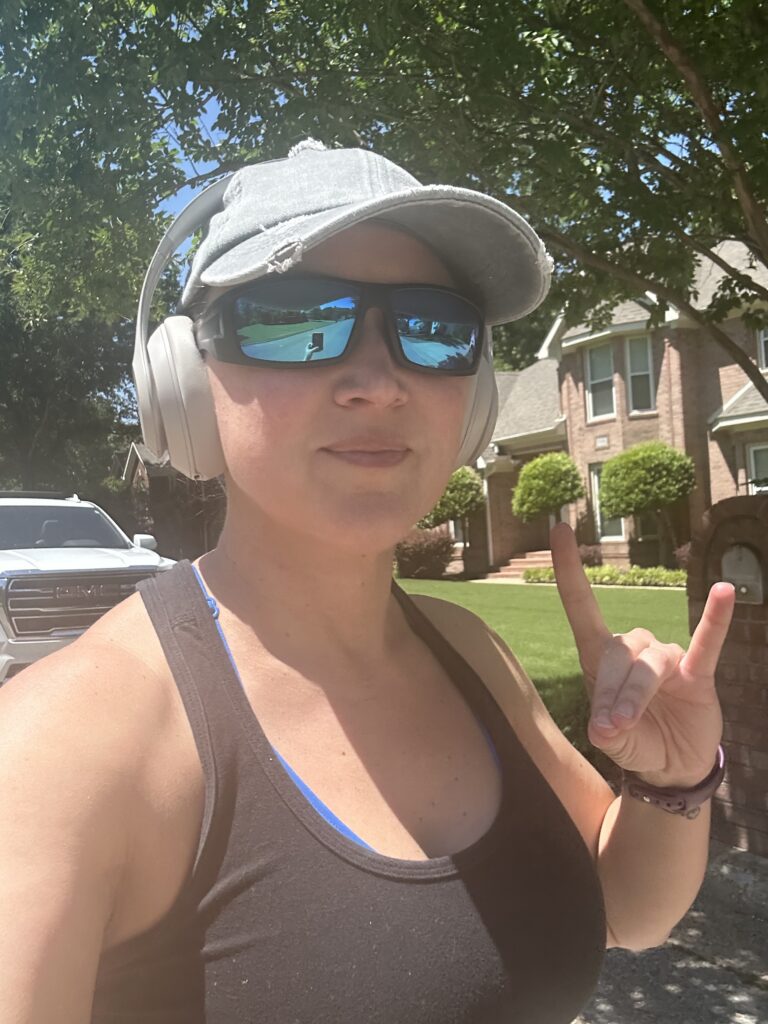
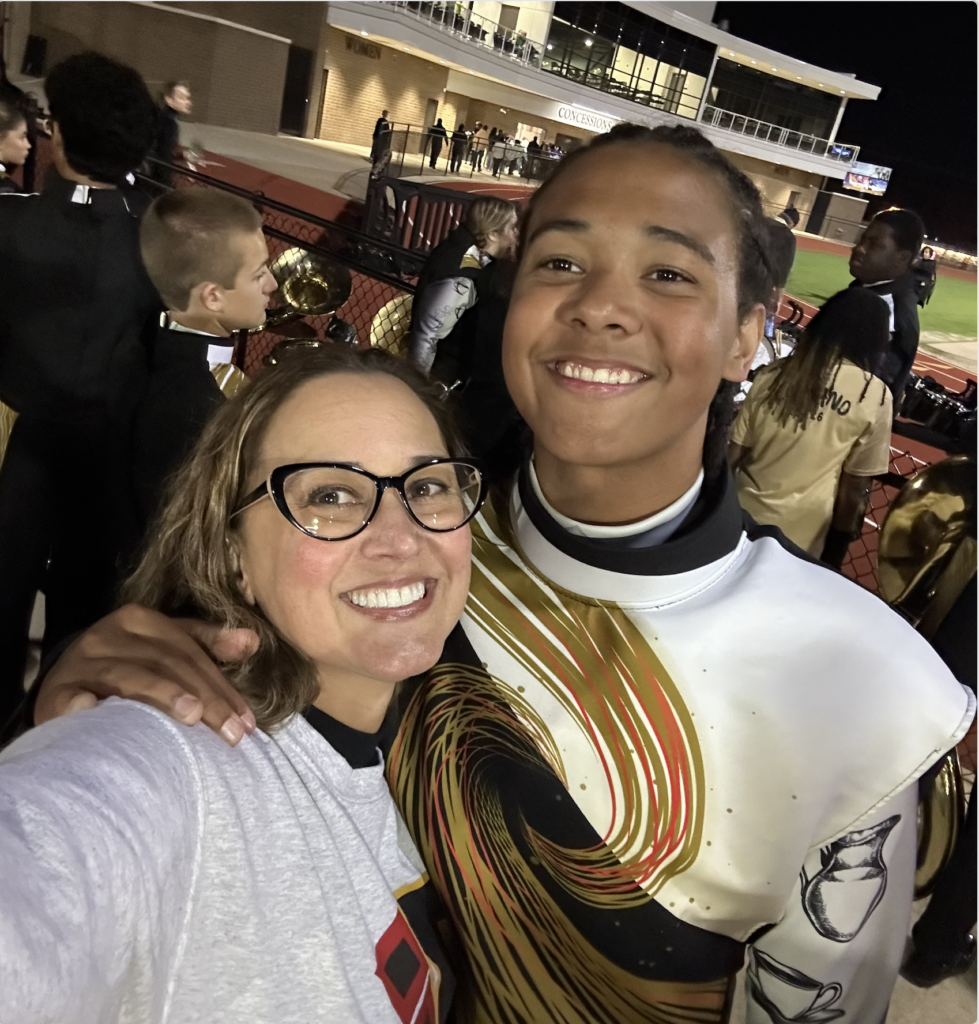
Kellie received ultra-customized spine surgery to address the decades of trauma that her back had endured. She received a lumbar hybrid surgery, combining a disc replacement surgery with spinal fusion, as well as a Bertolotti resection. This custom surgery was completed over two days by Dr. Colin Haines, a renowned Bertolotti spine surgeon. Three months after surgery that addressed the true source of her pain, Kellie is teaching aqua fitness classes again. She is walking 15,000 steps a day. She is running again. She completed her first 5K in 10 years and is planning to run a marathon next year. Most importantly, she is able to do the things she wants and needs to do as a mother, and planning to attend every one of her son’s senior-year events, including walking across the football field on senior night. Her family says she is a different person now because she is pain-free and has hope for the future.
Kellie’s Words About Finding Hope at VSI
For those in pain and still searching for answers, there is hope in Dr. Colin Haines and VSI. Chronic, debilitating spinal pain impacted every aspect of my life for so long that I had become unrecognizable to myself and my family. By the time I found Dr. Haines and VSI, I almost believed what all of my previous spine doctors had told me: that they couldn’t help me beyond what had already been done and that my issues were too complex to treat. I’m so glad I kept searching for answers. After meeting Dr. Haines and his team, my family and I felt hope for the first time in nearly two decades. I am three months post-surgery and am already able to do the things that bring me joy without being physically and emotionally exhausted from chronic pain.
Kellie | Mother and VSI Patient
Why Chronic Pain in Women Is Too Often Overlooked
Low back pain in women is one of the most under-discussed health issues in the United States. Many women live with chronic back, joint, nerve, or musculoskeletal pain while continuing to work, raise children, manage households, and care for others. In fact, the World Health Organization says that low back pain impacts 619 million people globally and is estimated to impact 843 million people by 2050. The problem is not only that pain is common. The deeper issue is that women’s pain is more likely to be dismissed, minimized, or under-treated. Symptoms that could be evaluated early may become chronic when patients are told their pain is normal, untreatable, or too complex to address. At VSI, many women arrive after years of being told that nothing can be done. In complex spine care, that may mean the patient has not yet received the right diagnostic workup, the right interpretation of imaging, or the right treatment strategy for the true pain generator.
Is Chronic Back Pain Normal for Mothers?
Chronic back pain in mothers is common, but it is not something women should automatically accept as normal. Pregnancy, postpartum recovery, lifting children, carrying car seats, leaning over cribs, broken sleep, and years of caregiving can create a long-duration physical load on the spine.
Motherhood is not a single physical event. It is often a decades-long physical and emotional demand. For some women, that cumulative load can worsen underlying spine conditions, including disc degeneration, herniated discs, SI joint dysfunction, nerve compression, scoliosis, Bertolotti’s syndrome, or pain after prior spine surgery. Pain that changes how a mother moves, works, sleeps, exercises, or participates in family life deserves medical attention. Persistent pain is not a character flaw, and it is not simply the price of motherhood.
What Women With Chronic Back Pain Should Know
Your Pain Is Not “Just Normal”
Pain may be common, but common and normal are not the same. If back, neck, hip, or nerve pain is limiting your ability to live, work, parent, sleep, or move, it deserves a thorough evaluation.
Your Pain Is Not in Your Head
Many women experience dismissal and medical gaslighting from their doctors and specialists. Being told that pain is stress, aging, hormones, weight, or “just motherhood” can delay the correct diagnosis. A careful spine evaluation should connect symptoms, imaging, physical exam findings, and medical history to identify the likely source of pain.
Your Condition May Be More Treatable Than You Were Told
Complex does not mean hopeless. Patients with prior surgeries, unusual anatomy, multi-region pain, or rare conditions such as Bertolotti’s syndrome may still have options. Treatment may include conservative care, targeted diagnostics, regenerative medicine, minimally invasive procedures, or surgery when appropriate.
Your Story Is Worth Repeating Until Someone Listens
Kellie searched for answers for two decades before finding a team willing to ask different questions. Her experience reflects what many women with chronic pain endure, but it also shows why continued advocacy matters.
How Family Advocacy Can Help Women With Chronic Pain
When a mother, wife, sister, or daughter is living with pain that no one seems able to explain or fix, family support matters. Chronic pain can be isolating, especially when a patient has been repeatedly told that her condition is too complex or that nothing more can be done.
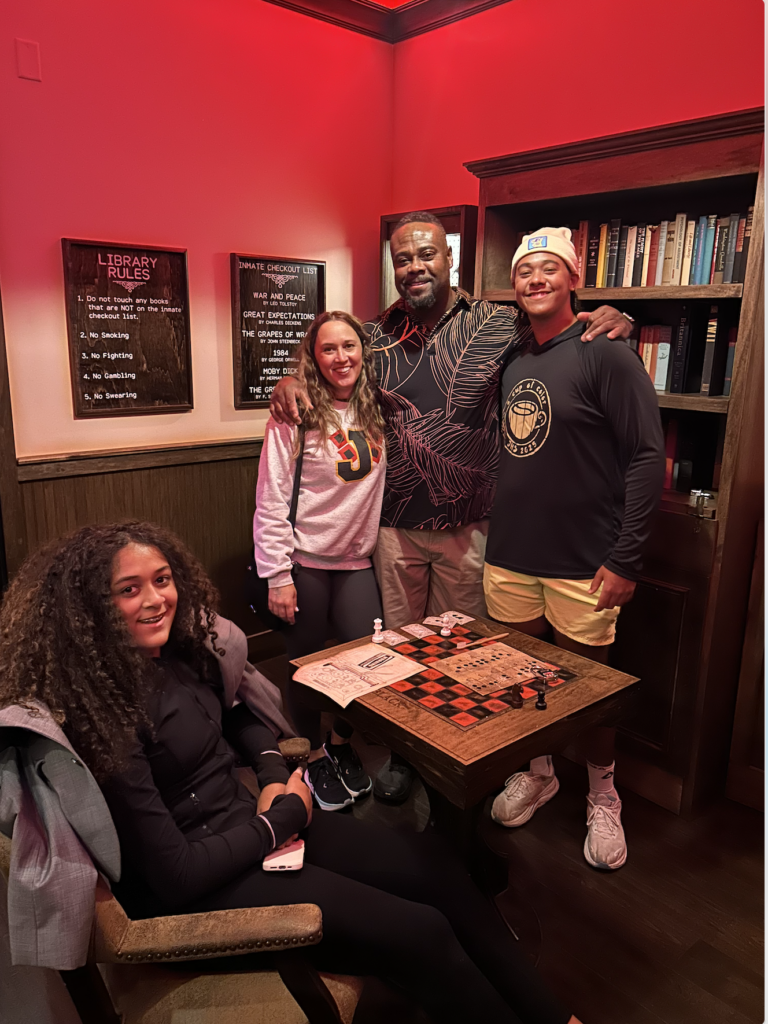
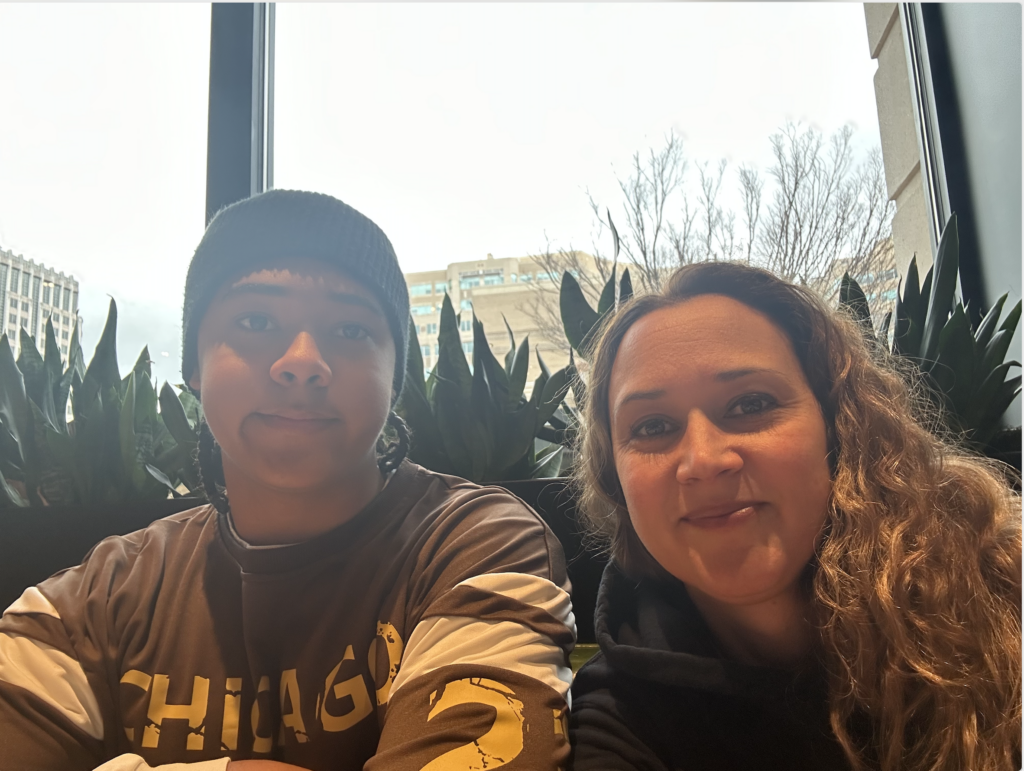
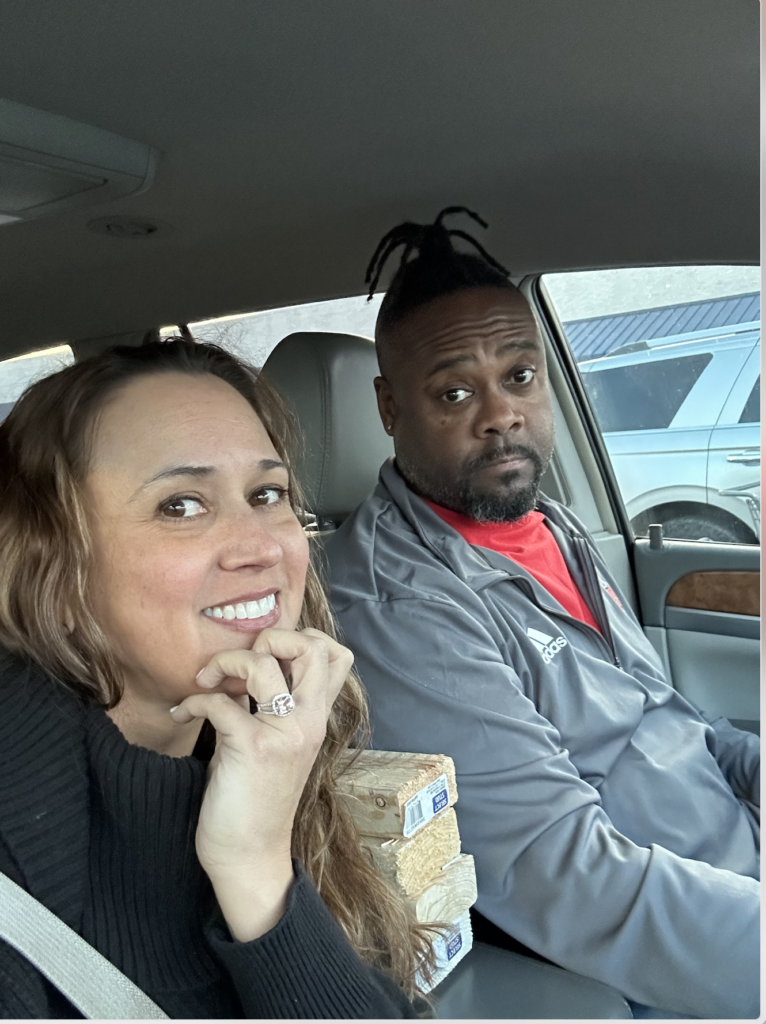
Kellie’s son flew with her from Arkansas to Reston, Virginia, for her diagnostic testing before surgery. Her husband and aunt came with her for surgery. That kind of support can help patients keep asking questions, pursue better answers, and move forward with confidence. Families can help by listening without minimizing symptoms, attending appointments when invited, helping organize medical records and imaging, encouraging second opinions, and validating that persistent pain deserves serious evaluation.
When Should a Woman See a Spine Specialist?
A mother should consider seeing a spine specialist when pain lasts longer than expected, keeps returning, affects daily activities, or has not improved with conservative care. Evaluation is especially important when pain travels into the leg or arm, causes numbness or weakness, disrupts sleep, limits walking or sitting, or continues after prior spine treatment. At VSI, complex spine evaluations are designed to identify the true pain generator, not just the most obvious abnormality on imaging. This matters because successful treatment depends on matching the diagnosis to the right intervention.
A Message for Women Living in Pain
To every mother living with back, hip, neck, shoulder, or nerve pain that has changed the way you parent and live: your pain deserves to be taken seriously. Many women have been told that their pain is just how life is now. Many have been told that nothing can be done. Kellie’s story is a reminder that there may be more to the story than a patient has been told. Pain should never be the end of the story. It should only be one chapter.
The hope that Dr. Haines has given me has transformed every aspect of my life. For the first time since my first spinal episode when I was 26 years old, I have not needed antidepressant medications to help me manage the depression that stemmed from the cumulative pain and medical dismissal and gaslighting I had experienced for so long. I am present for my kids, my husband, and myself now in ways I have never been able to be, and the best is yet to come. I can unequivocally say now that Bertolotti’s Syndrome and the excruciating pain that accompanies it are not irreversible—no matter what most spine doctors may tell you. Dr. Haines and VSI have given me my life back. As a mother, this means everything.
Kellie | mother and vsi patient
Frequently Asked Questions About Low Back Pain in Mothers
Is chronic back pain common in mothers?
Yes, chronic back pain is common in mothers, but it should not be dismissed as normal. Persistent pain that limits daily life, parenting, work, sleep, or activity should be evaluated by a spine specialist.
Can motherhood make low back pain worse?
Yes, motherhood can contribute to low back pain because lifting, carrying, bending, poor sleep, pregnancy-related changes, and years of caregiving place repeated stress on the spine, hips, pelvis, and surrounding muscles.
Can chronic back pain still be treated after prior surgery?
Yes, some patients with pain after prior spine surgery may still have treatment options. The key is identifying the true pain source through a detailed history, physical exam, imaging review, and diagnostic testing when appropriate.
When should someone get a second opinion for back pain?
A second opinion may be helpful when pain persists despite treatment, symptoms are worsening, surgery has been recommended without clear answers, prior surgery did not resolve the pain, or the patient has been told the condition is too complex to treat.
Topics covered
About the Author

Featured Resources
Insights to Achieve a Pain-Free Life