
The Hidden Risk of Pushing Through Pain: The Smarter Path Back to Fitness
Stop Pushing Through Pain: Overview
When It’s Time to Reassess: If your fitness goals keep getting derailed by pain, the answer usually isn’t more grit, it’s a better plan. In this episode, Dr. Niteesh Bharara and physical therapist Greg Morris explain why pain is information, not something to ignore, and why “waiting to get better first” often leads to bigger setbacks. If discomfort keeps returning, changes how you move, or lasts beyond about two weeks, it’s a sign to get evaluated so a small issue doesn’t become a long recovery.
How to Tell Soreness From Warning-Sign Pain: Normal soreness tends to feel muscular, improves as you warm up, and resolves within a few days. Warning-sign pain is different. It may be sharp, cause swelling, radiate into an arm or leg, or force you to compensate. Those signals matter because pushing through the wrong kind of pain can turn a manageable tendon or joint problem into something that limits your training and daily life.
The Non-Surgical Path Between “Just Wait” and Surgery: Many people get stuck in a treatment gap after basic care, not bad enough for surgery, but not improving enough to stay active. VSI’s approach bridges that gap with coordinated non-operative care, including spine-specialized physical therapy, diagnostic tools like ultrasound when appropriate, and regenerative medicine options such as PRP for the right candidates. The goal is to address the root cause, support real tissue healing, and help you safely get back to the activities that matter most.
How Can I Tell the Difference Between Soreness and Injury Pain?
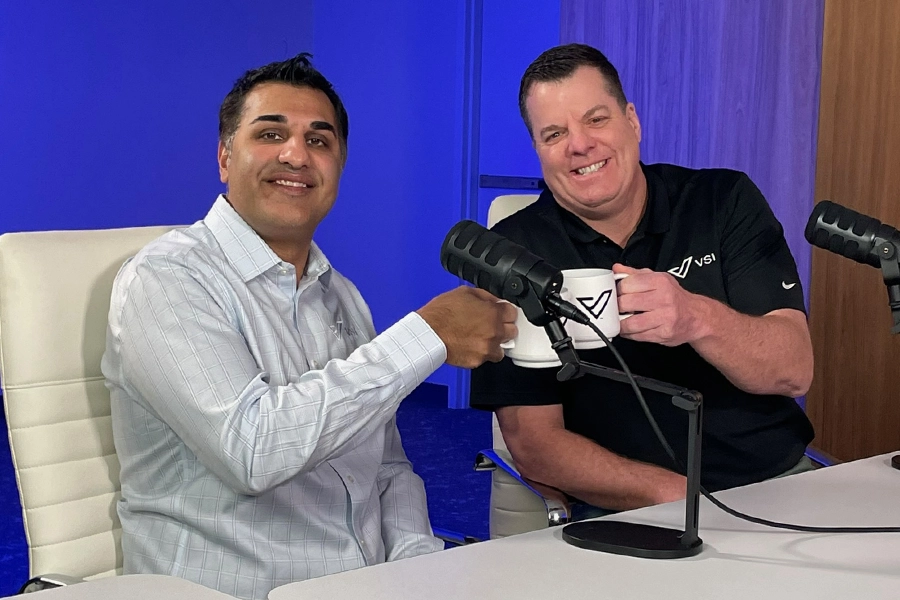
New Year fitness goals are supposed to feel energizing. But when pain keeps showing up, your body is trying to communicate. In a recent episode of the Get Back To Your Life® podcast, VSI Physiatrist and Director of Regenerative Medicine Dr. Niteesh Bharara and VSI Physical Therapist Greg Morris unpack why “just push through it” can quietly turn a manageable issue into a bigger setback.
Whether you’re dealing with nagging back pain, a tendon that won’t settle down, or a joint that keeps flaring every time you train, the most important mindset shift is this: pain is your body’s communication. It is not something that should be ignored to prove toughness. When you listen early and respond with the right plan, you can often avoid the long downtime that comes with more serious injury and keep momentum toward the life you want.
Watch the Podcast on Youtube
You Don’t Have to “Push Through the Pain”
A lot of active people don’t quit because they lack discipline. They quit because they get trapped in a cycle: pain shows up, they push anyway, symptoms spike, then they rest until it calms down, then they try again. That loop creates frustration, inconsistency, and even worsen the original issue.
Dr. Bharara describes a familiar pattern: people feel a small discomfort, assume it’s just arthritis or normal aging, and keep going. Sometimes that works for short-term stiffness, but when pain persists, it’s usually a sign that something isn’t loading well, moving well, or healing well. Ignoring that signal doesn’t make it disappear. It often makes it “louder, later.“
Soreness vs. Warning-Sign Pain
Not all discomfort means something is wrong. The key is recognizing the difference between normal training soreness and pain that suggests irritation or injury.
Is it normal to be sore for days?
It feels like muscle fatigue or stiffness after a new or harder workout. It improves steadily and resolves within a few days. It doesn’t change how you move.
Is pain a warning sign?
Pain is a warning sign when it worsens during activity. Pain is also a warning sign when swelling or sharp pain accompanies it or symptoms that radiate into the arm or leg. Pain that changes your mechanics or makes you compensate. Pain that lingers despite rest or returns every time you try again.
If discomfort continues beyond two weeks or keeps reappearing in the same spot, that’s your cue to stop guessing and get evaluated. Early care is how you prevent a small problem from becoming a long-term one.

Take the First Step to Relief
How to Set Micro-Goals That Stick
Greg Morris offers a performance-based way to think about recovery: look at what you want to do, then work backward into the skills your body needs to do it safely.
If your goal is running, you need to tolerate controlled single-leg loading. Running is essentially repeated hopping. If you can’t hop on one leg similarly to the other, you’re more likely to compensate and overload something else.
Instead of jumping from inactivity straight into intense training, mini-goals create a safer ramp.
Examples of mini-goals that matter:
- Balanced single-leg strength and control
- Joint mobility that allows clean mechanics
- Tendon capacity to tolerate progressive loading
- Core and hip stability that protects the spine and lower extremities
- Gradual exposure to impact or speed based on how your body responds
This approach isn’t just about returning to activity. It’s about returning with confidence.
Should I Wait Out the Pain?
One of the biggest dangers of “waiting it out” is that pain starts to define your identity and your decisions.
People begin saying things like “I have back pain, so I can’t do that,” or “My knee doesn’t let me hike anymore.” Over time, the nervous system becomes more reactive, fear builds, and movement gets smaller. That fear-avoidance cycle can pull you away from the activities that support your health, your relationships, and your mental health.
The longer pain keeps you on the sidelines, the harder it can feel to start again. That’s why early evaluation and a structured plan matter.
The Missing Middle: What Exists Between PT and Surgery
This is where many people get stuck. They try physical therapy, it helps a little or not enough, and then they’re told they’re “not bad enough” for surgery. So they wait. They push. They rest. They repeat.
Dr. Bharara calls this the treatment gap, the space between “just wait” and surgery. At VSI, that gap is where modern non-operative options can make a real difference.
Non-operative care can include:
- High-level physical therapy focused on biomechanics and movement strategy
- Diagnostic ultrasound to evaluate tendons, muscles, and soft tissue in real time
- Regenerative medicine options such as platelet-rich plasma injections for certain tendon, joint, and soft-tissue conditions
- Image-guided procedures designed to support healing and reduce recurring flare-ups
- Coordinated care between PT and physician teams so your plan is coordinated
The goal is not simply to cover up symptoms. The goal is to address the root cause and support real tissue recovery when the body needs help getting over the hump.
What Is PRP?
PRP stands for platelet-rich plasma. It’s created from your own blood and used in a targeted way to support healing in certain injuries. In the episode, Greg shares his personal experience with a wrist ligament injury where he was told surgery might mean fusing bones in his wrist, a major functional tradeoff for someone who relies on grip strength and hand mobility. He pursued PRP and combined it with a structured strengthening plan, ultimately returning to function and activity with significant improvement.
PRP isn’t right for everyone, and it depends on diagnosis, tissue quality, and goals. But for the right candidate, it can be one of the tools that helps fill the gap between traditional conservative care and more invasive intervention.
What to Do If Pain Is Interrupting Your Fitness Goals
If pain keeps hijacking your routine, you don’t need a perfect plan. You need the next right step.
Step 1: Stop negotiating with persistent pain
If symptoms keep showing up, especially beyond two weeks, treat that as a signal to get checked up.
Step 2: Get assessed with a movement-first approach
In Virginia, direct access allows patients to see a physical therapist without a physician referral. A high-quality evaluation looks beyond “where it hurts” and identifies what’s driving the problem.
Step 3: Build a plan that matches your diagnosis and your goals
For many patients, physical therapy is the starting point. If progress stalls, diagnostic imaging or stem cell therapy options may be considered based on what’s actually happening in the tissue.
You Don’t Have to Choose Between “Deal With It” and Surgery
Pain doesn’t mean you’re failing. It means something needs attention. And you don’t have to wait until you’re “bad enough” for surgery to take action.
At VSI, our non-operative spine and sports medicine teams help patients connect the dots between symptoms, movement, and healing. That includes expert physical therapy, advanced diagnostics, and stem cell therapy or PRP options when appropriate, all coordinated around one goal: getting you back to life.
When to Schedule an Evaluation
If you want to stay active but pain keeps interrupting your progress, scheduling an evaluation can help you understand what’s happening and what options make sense before setbacks pile up. The earlier you address the issue, the more choices you typically have, and the faster you can get back to training with confidence.
Topics covered
About the Author

Featured Resources
Insights to Achieve a Pain-Free Life