
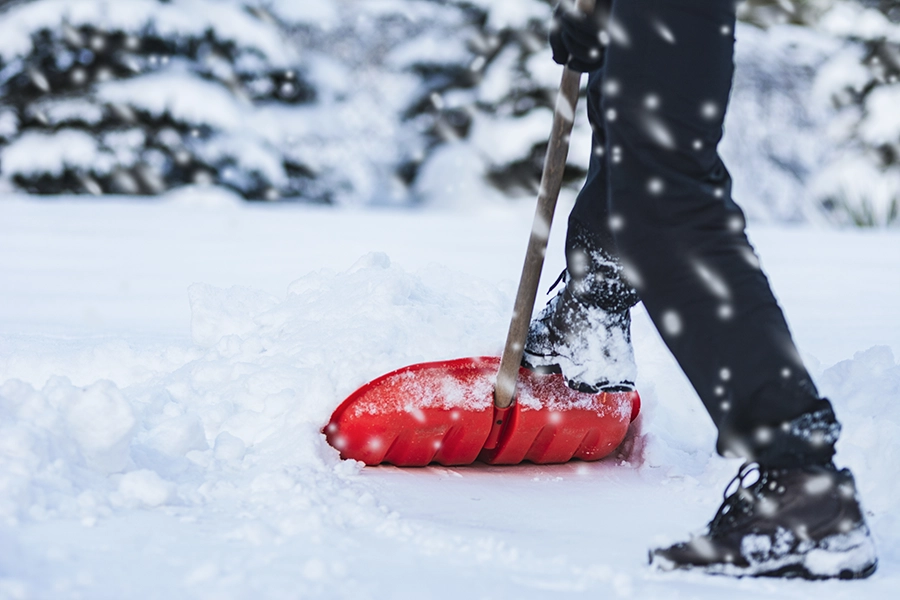
Winter Back Pain and Snow Shoveling Tips
Winter Back Pain and Snow Shoveling: Quick Facts
Cold weather can make back pain and stiffness more noticeable because muscles tighten in lower temperatures and many people move less during the winter. As circulation and flexibility drop, your spine and supporting muscles may not respond as well to everyday demands, especially sudden tasks like shoveling or navigating icy ground.
Winter stiffness is more than an inconvenience. When your body is tight, it tends to move with compensation, placing extra stress on the spine and increasing the chance of strains, flare ups, or falls. That is why “movement is medicine” matters in winter: regular, simple activity helps keep the joints and muscles loose.
Preventing winter back injuries comes down to preparation and technique. Use the 5/5 Rule (five minutes to warm up before outdoor activity and five minutes to cool down after), dress to keep your muscles warm, and shovel with safer mechanics by pushing snow when possible and avoiding heavy lifting with twisting. If pain persists, radiates down the leg, or includes numbness or weakness, it is time to get evaluated.
Can Winter Increase Pain and Stiffness?
Winter can bring snow and bitter cold weather, and it can also trigger more back pain, stiffness, and back injuries. At VSI, we often see a seasonal increase in spine issues, especially after a snow storm and long stretches of sitting. The good news: with the right warmup, smart movement, and safer shoveling technique, you can reduce your risk and stay active all season. Dr. Colin Haines provided tips to WTOP News on how to protect your back this winter season.
Why Does Cold Weather Make Back Pain Worse?
Winter stiffness is most often caused by both the cold temperatures and reduced movement. In colder months, people tend to be more sedentary, spending longer periods sitting on the couch, in the car, or at their desk. That leads to decreased circulation, reduced joint lubrication, and tighter muscles and joints.
Cold weather can also cause muscles to tighten and constrict, reducing flexibility and increasing injury risk. Dr. Haines explained on WTOP that cold can reduce muscle blood flow and, as a result, “unmask some spine conditions.”
A helpful mindset to keep all winter: “movement is medicine.” When your body is not moving regularly, stiffness builds and your spine loses the muscular support it depends on.
What Happens When You Ignore Stiffness
Stiffness is not just annoying. When muscles and joints are tight, the body cannot move efficiently, which can create poor movement patterns and place extra stress on the spine. Stiffness can also be a warning sign. If you keep pushing through tightness, small issues can become bigger problems that take longer to treat. Over time, that can contribute to:
- Muscle strains and spasms
- Reduced range of motion
- Disc and joint irritation
- Higher fall risk on ice due to slower reactions and weaker balance
The 5/5 Rule: Warm Up Before Winter Tasks
Before you shovel, scrape ice, or carry heavy loads, use the 5/5 Rule: spend five minutes warming up before you go outside and five minutes cooling down and stretching after you finish. Dr. Haines recommends warming up before shoveling, noting: “What I like to do is about two and a half minutes of actually stretching.”
For an easy indoor warmup, start with a couple minutes of light movement like marching in place or walking the stairs to raise your body temperature. Then add gentle mobility work, such as controlled hip hinges, shoulder rolls and arm circles, and slow trunk rotations that you do without forcing your range of motion.
How to Shovel Snow Without Hurting Your Back
Snow shoveling is one of the most common winter triggers for acute back injuries because it often combines bending, lifting, and twisting under load. Dr. Haines put it plainly: “That lifting hunched forward with rotation puts the most force through the back.”
The safest approach is to think push first, lift second. As Dr. Haines advised, “Push, try to avoid lifting and twisting.” When you do have to lift, take smaller scoops instead of one heavy load, keep the shovel close to your body, and bend through your hips and knees rather than rounding at the waist. To avoid twisting your spine, face the direction you are moving the snow and step your feet to turn. Most importantly, pace yourself. Wet snow is heavy, and fatigue is when injuries happen. For more snow shoveling tips, visit this VSI resource.
A Safer Shoveling Checklist
- Push the snow with your shovel, don’t lift and twist
- Take smaller scoops instead of one heavy load
- Keep the shovel close to your body (avoid reaching)
- Pace yourself and take breaks (especially with wet, heavy snow)
- Use an ergonomic shovel or consider an electric shovel if appropriate
- If you have help at home, delegate the heaviest parts of the job
How to Dress for the Cold
Layering is not just comfort, it is injury prevention. Warm muscles tend to move better and tolerate winter tasks more safely. Treat snow shoveling and outdoor chores like a workout. Slow down and take an extra moment to add a layer of warm clothing, throw on gloves or a scarf, and choose proper footwear, as these help keep muscles and joints warm and moving better. You almost have to treat going out in the cold like an athlete taking part in a sport: suit up in the right gear and stretch beforehand.
What to Do if I Strain my Back?
If something feels off, stop. Dr. Haines’ advice on WTOP: “If you injure your back, stop, get inside, get warm.” At home, many minor strains improve with rest, gentle movement, and anti inflammatory medication when appropriate for you. If pain is worsening or not improving, do not power through it.
When to See a Spine Specialist
Consider getting evaluated if you have:
- Pain that persists beyond a week or keeps returning
- Pain shooting down the leg, numbness, or tingling
- Weakness in the leg or foot
- Trouble walking, balance changes, or symptoms after a fall
If winter back pain or stiffness is limiting your life, scheduling a consultation with a top spine surgeon can help identify what is driving your symptoms and build a personalized plan to get you moving comfortably again.
Topics covered
About the Author

Featured Resources
Insights to Achieve a Pain-Free Life