

A Veteran’s Spine Story: Why You Shouldn’t Give Up Hope After Failed Back Surgery
Key Facts
- Who is featured: Dana is a Navy veteran, former marathon runner, and mother of four who has been a patient of VSI President and CEO Dr. Christopher Good since 2014.
- What changed: After years of conservative care with Dr. Christopher Good and Dr. Niteesh Bharara after failed prior spine surgery, Dana had a staged spinal fusion surgery that included bilateral SI joint fusion.
- Her recovery: No severe post-surgical pain, no muscle spasms, out of her back brace at six weeks, and almost off pain medication for the first time in six years.
A Veterans Day Conversation About Not Giving Up
This Veterans Day, we’re honoring the strength and perseverance of those who have served, including Navy veteran Dana, whose nearly 20-year journey with chronic back pain is a powerful reminder that even the most complicated spine conditions don’t have to define your future.
A former marathon runner, mother of four, and Navy veteran, Dana spent years navigating failed spine surgeries, debilitating pain, and difficult decisions about her health. At one point, the woman who once ran 20 miles struggled to walk just 50 feet without stopping. But she never gave up on finding a way forward.
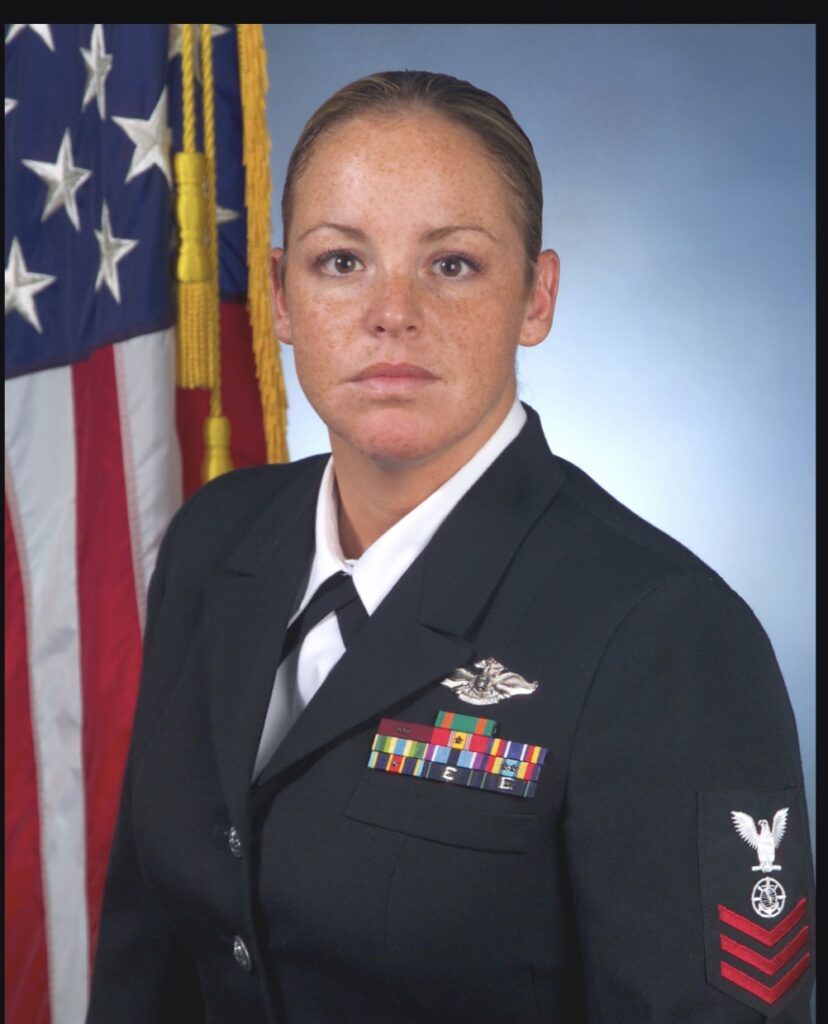
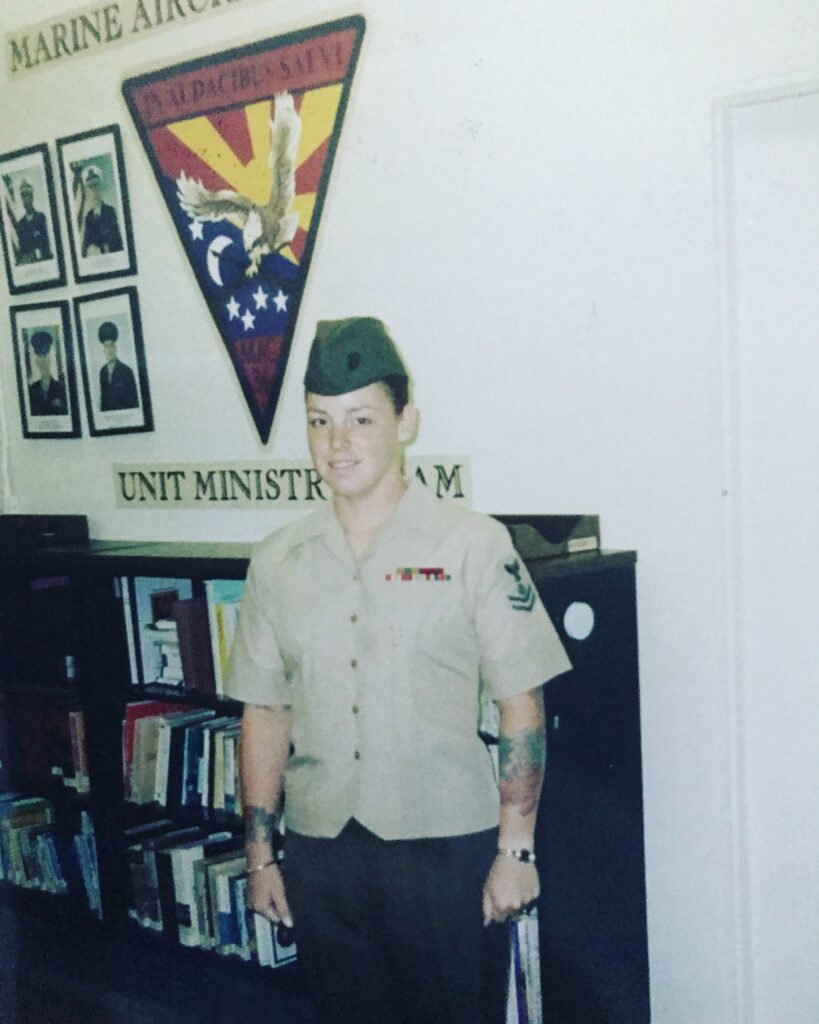
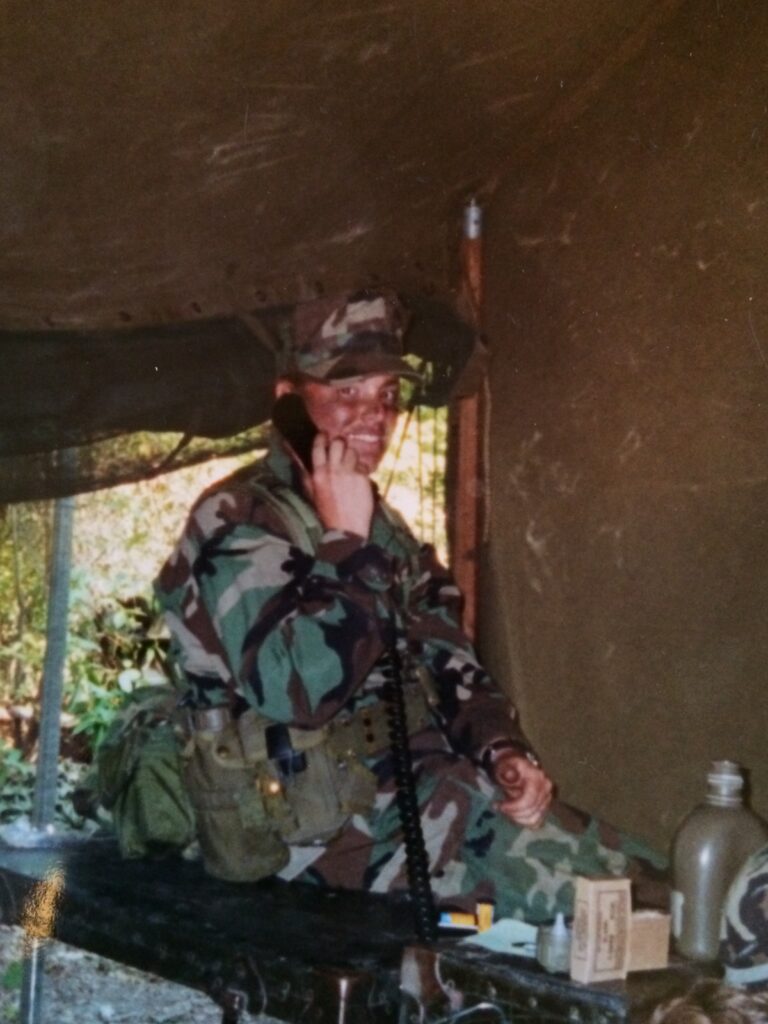
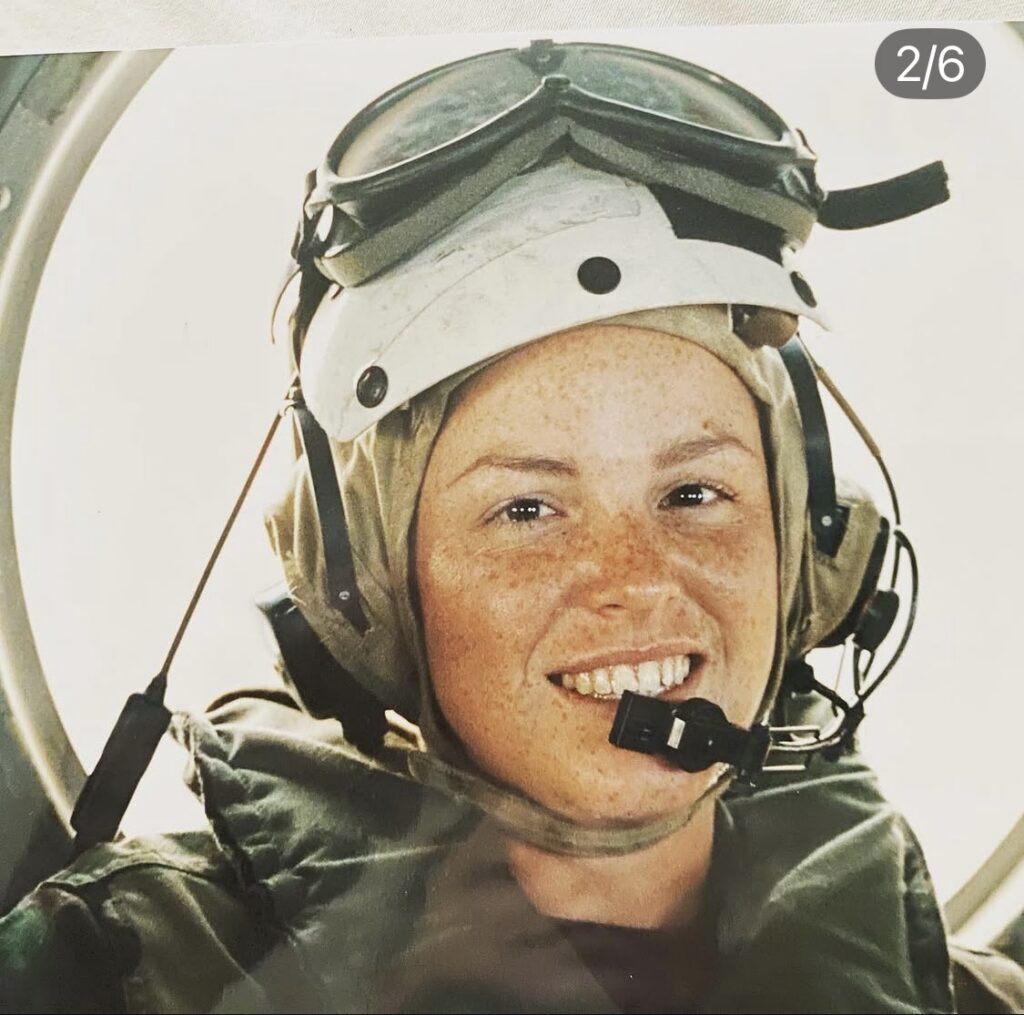
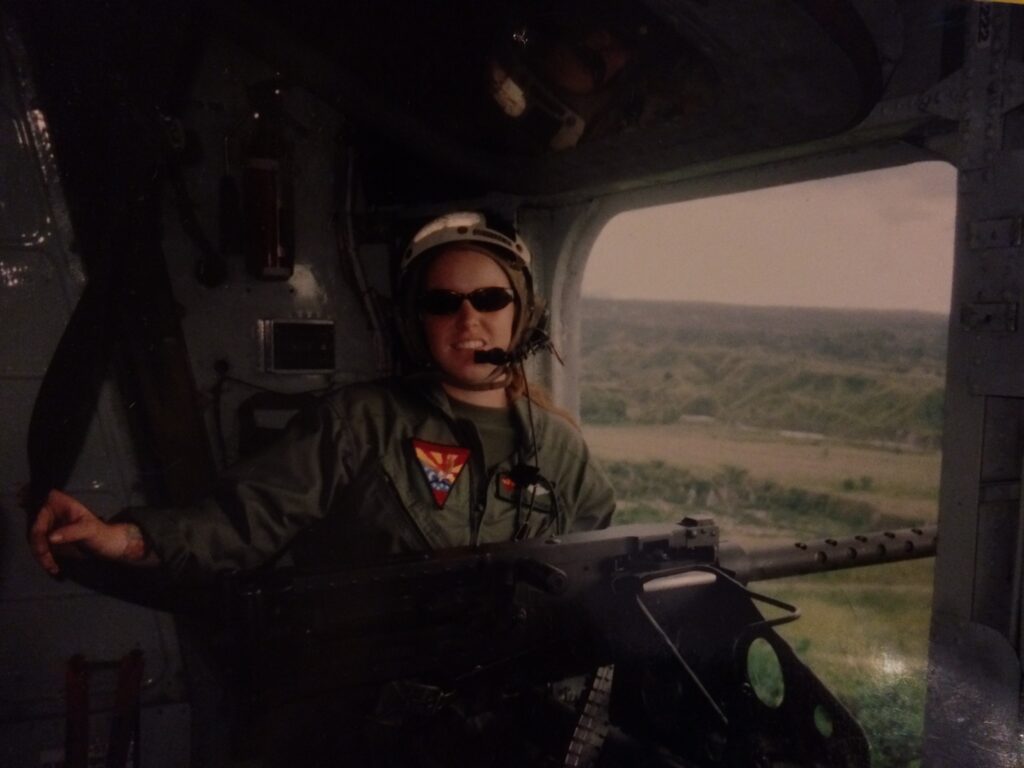
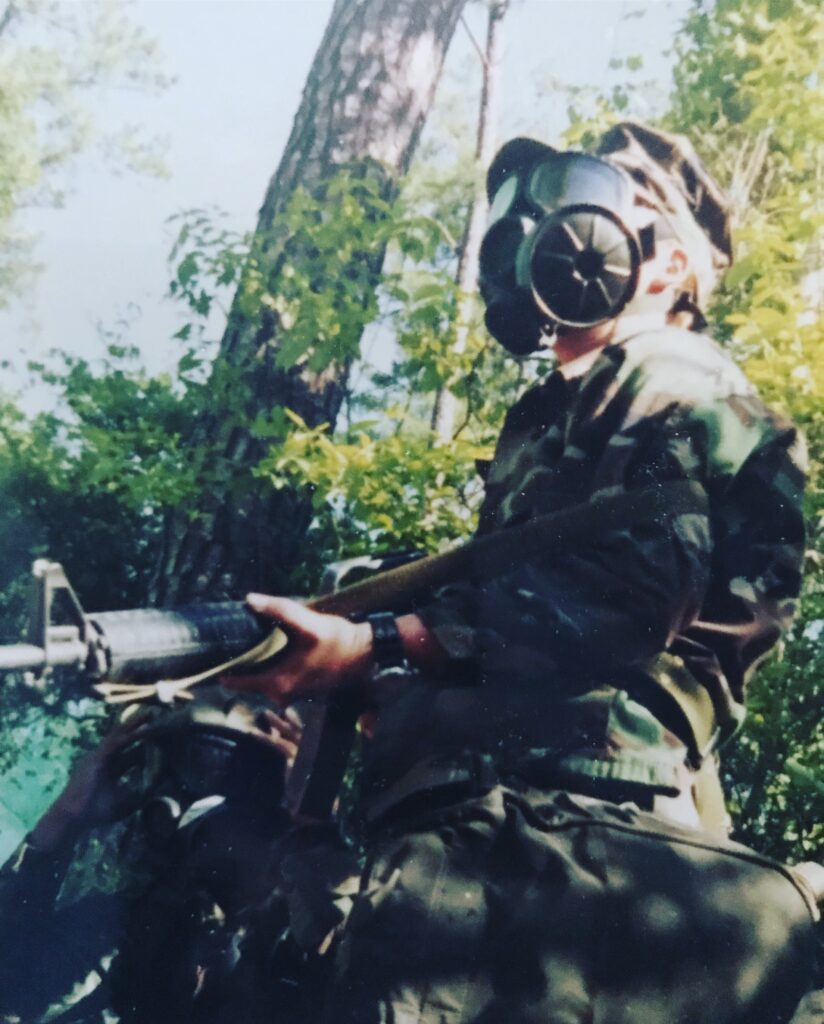
In this episode of Get Back to Your Life®, Dana joins VSI spine surgeon Dr. Christopher Good to share their decade-long journey together, the advancements that transformed her latest recovery, and how she finally got back to the life she loves.
“We leave the military needing help with a lot of stuff, and spine health is one of it,” Dana says. If you served and have learned to work around back or neck pain, or if you’ve had a surgery that didn’t work, this conversation is for you.
What Happens When Spine Surgery Doesn’t Fix the Pain?
When a spine surgery fails, pain often returns or gets worse, and patients are left unsure whether to try again. Dana’s spine journey began while serving on active duty in the Navy. After her first spine surgery elsewhere failed to provide lasting relief, a second procedure left her in even greater pain. By the time she found Dr. Good at VSI, she says, “I couldn’t sit, I couldn’t stand, I couldn’t lay, I couldn’t walk very long.”
Dr. Good says this is “a lot more common than it should be.” VSI regularly performs revision spine surgery to correct spine surgeries that did not go as planned. His message to patients in Dana’s position: “Just because your first surgeon tells you they can’t help you, doesn’t mean that nobody can help you.”
When Conservative Care Is No Longer Enough
Dr. Good is a surgeon who wants to help patients avoid surgery when possible, starting with the simplest and safest option first. For years, they tried injections, medications, and spine-specialized physical therapy. In 2014, Dr. Good performed a complex revision surgery that helped Dana regain her quality of life. But over the following decade, progressive spinal degeneration brought new challenges. Her SI joints were badly degenerated, and the discs and nerves above her earlier fusion were involved too.
Before her most recent surgery, Dana was sleeping one or two hours at a time. “My life revolved around those morphine pills,” she says. The deciding moment came on a family trip to Key West, when she could walk only about 50 feet before stopping. She was someone who used to run 20 miles. “I got to get back to my life.”
Rather than fix one piece of the problem, Dr. Good recommended fixing all of it: a staged spinal fusion with laminectomy and bilateral SI joint fusion. Her procedure also became the world’s first spine surgery with the Stealth AXiS™ Autopilot robotic system. This technology integrates surgical planning, navigation, and robotic guidance to support precision in complex spine procedures, leading to safer procedures and faster recoveries. As Dr. Good developed the robotic system and planned Dana’s complex surgery, he said it was “fate” that Dana’s surgery ended up being the first surgery using this system.
What Was Dana’s Recovery Like?
“The recovery was unlike anything I’ve ever had before,” Dana says. “I didn’t have severe post-surgical pain. I didn’t have severe muscle spasms that normally would happen. I didn’t have any nerve pain.”
Within six weeks, she had stopped wearing her back brace, and she was feeling so well that she had to remind herself to follow her recovery restrictions. By week eight, she felt like she should be back at work. “It did not feel like the surgery that I know it to be,” she says.
Why Did This Recovery Go So Differently?
Dr. Good is clear that technology was only one factor. Stabilizing the whole problem can bring early relief from the original pain. Surgical efficiency matters. And VSI plans recovery before surgery begins, using enhanced recovery protocols such as patient education, nutrition, and less reliance on medication. Through the recovery movement at VSI, that planning continues into the early weeks after surgery.
Because Dana had been on high doses of morphine, Dr. Good and Dr. Bharara planned her pain management in advance, increasing coverage right after surgery and tapering as her pain faded.
I’m almost off all my medication for the first time in six years
Dana On her recovery journey
Dana is back working in construction management on a large job site in South Texas. “It doesn’t hurt, and it’s amazing,” she says.
Advice for Veterans Who Feel Out of Options
Dana has referred many fellow veterans to VSI. “I have to tell them, hey, brother, there is hope,” she says. Her advice is to get more than one opinion and take the first step. “Knowing is better than not. The unknown is always the worst.”
If spine surgery didn’t give you relief, or you’ve been told there’s nothing left to try, a second opinion may show you options you haven’t heard yet.

Get a Second Opinion
Frequently Asked Questions
Can revision spine surgery help after a failed fusion?
VSI specializes in revision surgeries to help those who might be experiencing the new issues after spine surgery. Broken screws, bones that did not heal, or new problems at nearby levels are common reasons that patients seek a second opinion at VSI.
Does robotic spine surgery mean a faster recovery?
Dr. Good credits Dana’s recovery to several factors: fixing the full problem, surgical efficiency, enhanced recovery protocols, and a recovery plan built before surgery.
Can veterans be seen at VSI?
VSI welcomes patients from across the country and around the world, including veterans.
Topics covered
About the Author
Featured Resources
Insights to Achieve a Pain-Free Life