
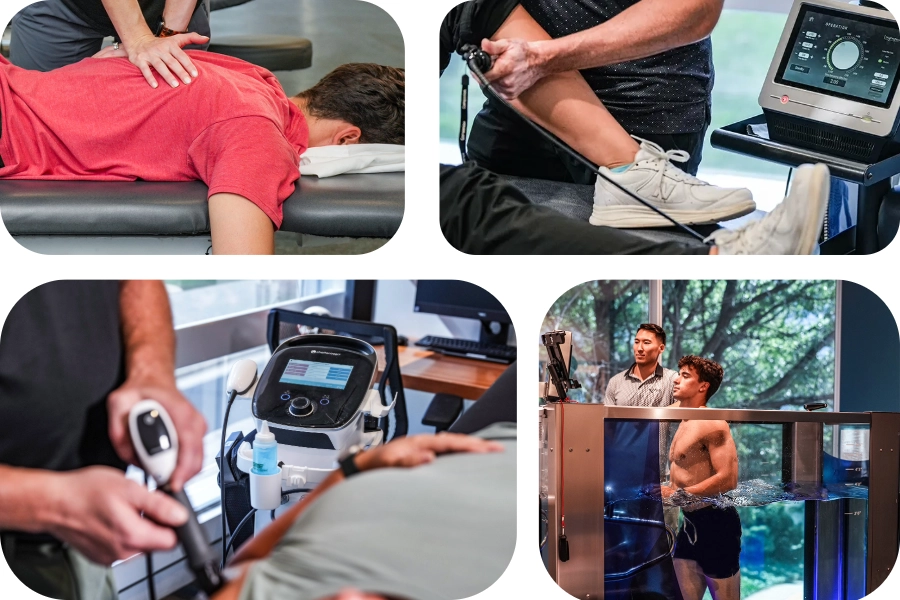
What Are Non-Surgical Treatments For Chronic Back Pain?
Chronic Back Pain Treatment: Key Takeaways
- Chronic back pain lasts longer than 12 weeks and usually requires more than rest alone to improve.
- Non-surgical treatment focuses on reducing pain, restoring movement, and strengthening the spine.
- Spine-specialized physical therapy is often the first and most effective step in treatment.
- Many patients experience meaningful relief without needing surgery.
- Getting an accurate diagnosis from a spine specialist is the key to choosing the right treatment plan.
If your back pain has lasted more than three months, you are likely dealing with chronic back pain. Unlike short-term soreness that improves with rest, chronic lower back pain often lingers and can begin to interfere with daily activities, sleep, and overall quality of life.
The good news is that many people do not need surgery to feel better. Non-surgical treatments for chronic back pain focus on reducing inflammation, improving mobility, strengthening the muscles that support your spine, and correcting movement patterns that may be contributing to pain.
At VSI, care begins with understanding the exact cause of your pain. From there, a personalized treatment plan may include spine-specialized physical therapy, hands-on manual therapy, targeted exercise programs, and advanced rehabilitation technologies designed to promote healing and long-term spine health. For many patients, this conservative approach can significantly reduce symptoms and help them return to the activities they enjoy without surgery.
What Is Considered Chronic Back Pain?
Chronic back pain is back pain that lasts longer than 12 weeks. It may begin after an injury, such as a muscle strain or disc herniation, or it can develop gradually over time due to age-related changes in the spine.
Unlike acute back pain, which often improves within a few weeks, chronic lower back pain tends to persist and may fluctuate in intensity. Some days may feel manageable, while others can make simple activities like sitting, walking, or sleeping uncomfortable.
Common causes of chronic back pain include:
- Herniated discs that irritate nearby nerves
- Degenerative disc disease, where spinal discs naturally wear down over time
- Spinal stenosis, or narrowing of the spinal canal
- Facet joint arthritis, which affects the small joints in the back of the spine
- Sacroiliac joint dysfunction, causing pain in the lower back and hips
- Muscle imbalances or core weakness that place added stress on the spine
In many cases, chronic back pain is not caused by one single issue but by a combination of structural changes, inflammation, and muscle dysfunction. That is why an accurate diagnosis is essential before starting treatment.
Goals Of Conservative Treatment For Back Pain
Conservative treatment for back pain focuses on helping your body heal and function better without surgery. The goal is not just temporary pain relief but long-term improvement in strength, stability, and movement.
Non-surgical treatment for chronic back pain typically aims to:
- Reduce inflammation and nerve irritation
- Improve joint mobility and flexibility
- Strengthen the muscles that support the spine
- Correct posture and movement patterns
- Prevent the condition from worsening over time
Rather than masking symptoms, conservative spine treatment works to address the root cause of pain whenever possible. For many patients, this approach leads to meaningful relief and improved quality of life without the need for surgical intervention.
Surgery may still be necessary in certain cases, but most chronic back pain can be effectively managed with structured, personalized non-surgical care.
Non-Surgical Back Pain Treatments Offered At VSI
At VSI, non-surgical back pain treatment begins with one simple principle: treat the cause, not just the symptoms. Chronic back pain is rarely the result of one single issue, which is why treatment must be personalized and diagnosis-driven.
For many patients, conservative treatment can significantly reduce pain, improve mobility, and restore daily function without the need for surgery. Below are the non-surgical therapies offered at VSI as part of a comprehensive spine care plan.
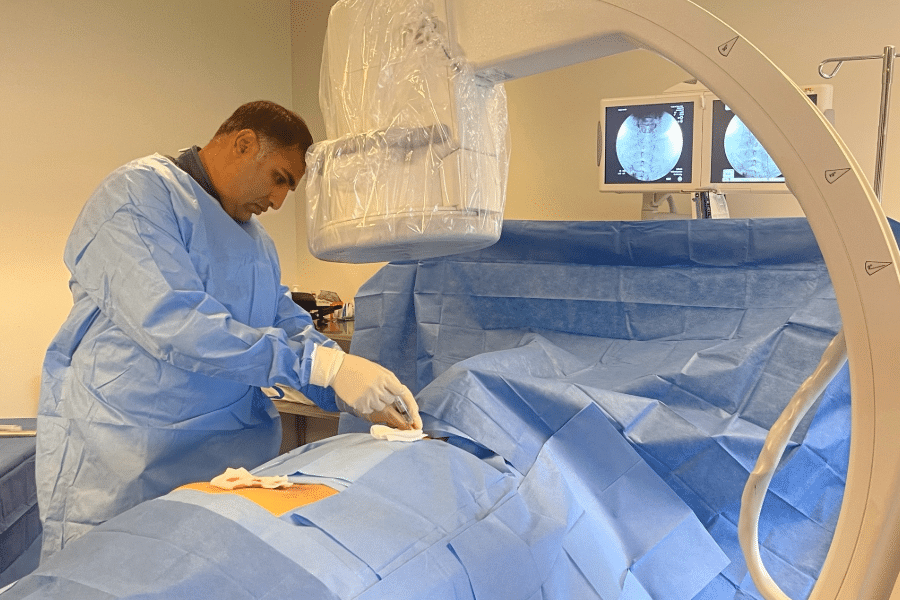


Natural Healing Therapies – Regenerative Medicine
Regenerative Medicine, such as Stem Cell Therapy, Micro-framented Adipose Injections and Platelet-Rich Plasma (PRP) are some of the options we use to treat your chronic back pain without surgery. These regenerative therapies utilize the body’s natural healing processes to rebuild damaged tissue, heal injuries more effectively, and eliminate pain. By taking your body’s own cells, and then injecting them into the area of your body that is injured or damaged, patients are able to avoid surgery and heal effectively.
Spine-Specialized Physical Therapy
Physical therapy is often the foundation of chronic back pain treatment without surgery. At VSI, therapy is delivered one-on-one by clinicians trained specifically in orthopedic spine rehabilitation.
Each program is customized based on your diagnosis, symptoms, and functional goals. Rather than following a generic exercise routine, therapy focuses on correcting movement patterns, improving spinal mechanics, and strengthening the muscles that support long-term stability.
For many patients, targeted physical therapy is the most effective first step in conservative back pain treatment.
Manual Therapy
Manual therapy involves hands-on techniques designed to improve joint mobility and reduce soft tissue tension. This may include joint mobilization, soft tissue release, and guided movement techniques.
By restoring proper motion in stiff or restricted areas of the spine, manual therapy can help decrease pain, reduce muscle guarding, and improve overall spinal function. It is often used in combination with therapeutic exercise to enhance results.
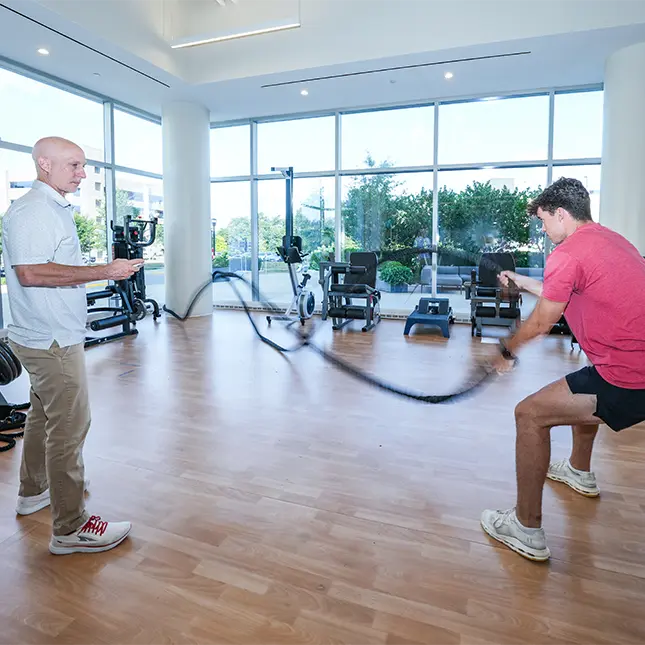
Functional & Targeted Exercise Therapy
Exercise therapy is a core component of non-surgical spine treatment. Weakness in the core and supporting muscles often contributes to chronic lower back pain by placing extra stress on spinal discs and joints.
Targeted exercise programs at VSI may include:
- Core stabilization training
- Postural correction
- Movement retraining
- Flexibility and mobility work
The goal is not just short-term relief but building strength and control that protects the spine long-term.
Aquatic Therapy
Aquatic therapy allows patients to perform strengthening and mobility exercises in a low-impact, reduced-gravity environment. The buoyancy of water decreases stress on the spine and joints while still allowing muscles to engage and strengthen.
This approach can be especially helpful for patients with arthritis, spinal stenosis, or severe pain that makes traditional land-based therapy uncomfortable.
Dry Needling
Dry needling is used to address muscle-related back pain caused by tight bands of tissue known as trigger points. These trigger points can contribute to persistent discomfort and restricted movement.
By releasing muscle tension, dry needling can improve mobility, decrease pain, and support progress within a broader back pain rehabilitation program.
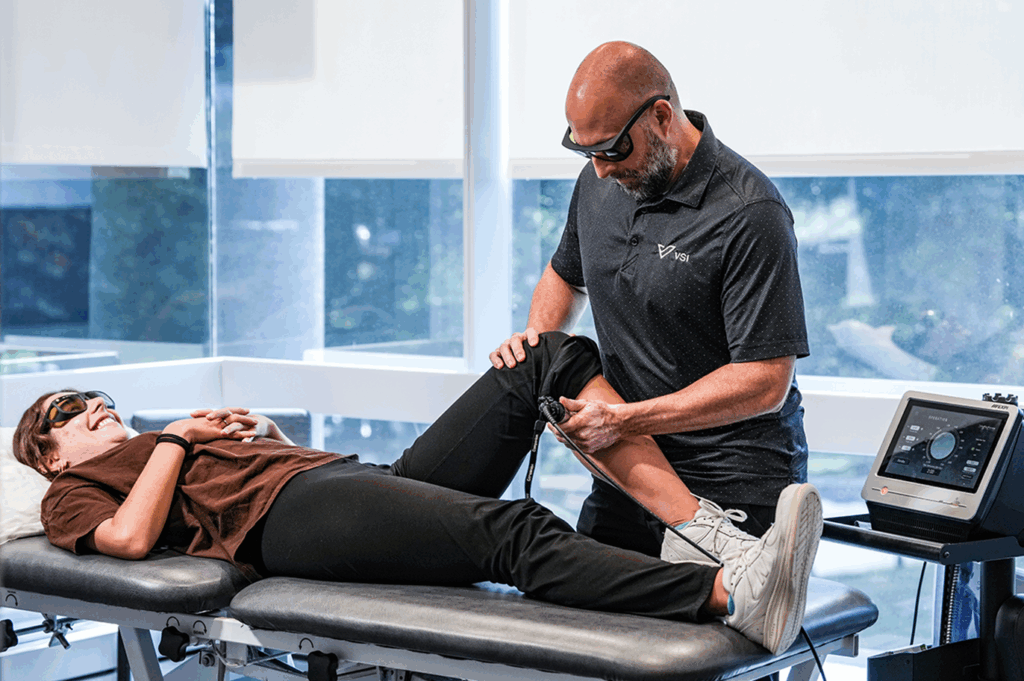
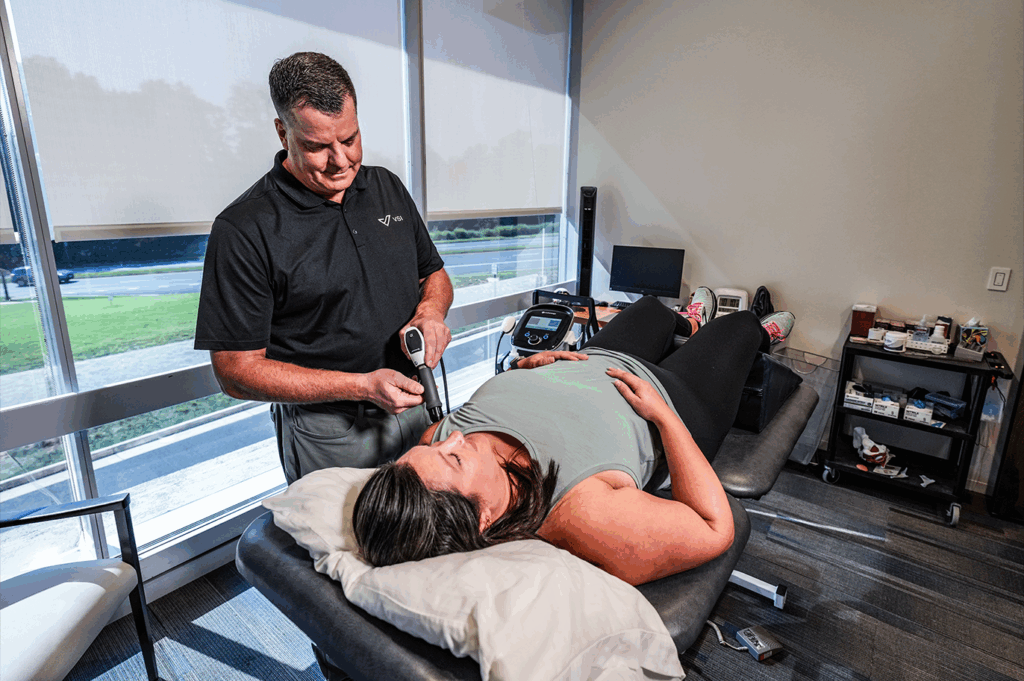
Shockwave Therapy
Shockwave therapy is a non-invasive treatment that stimulates the body’s natural healing response in areas of chronic soft tissue irritation.
For patients dealing with stubborn tendon, ligament, or fascial issues contributing to back pain, shockwave therapy may promote tissue repair and reduce persistent discomfort. It is often considered an alternative option for patients seeking non-surgical solutions.
Laser Therapy
Therapeutic laser treatment helps reduce inflammation and support cellular healing. It is commonly used alongside physical therapy exercises to enhance recovery and decrease pain levels.
Laser therapy may be beneficial for patients with chronic inflammation or soft tissue injuries contributing to ongoing back pain.
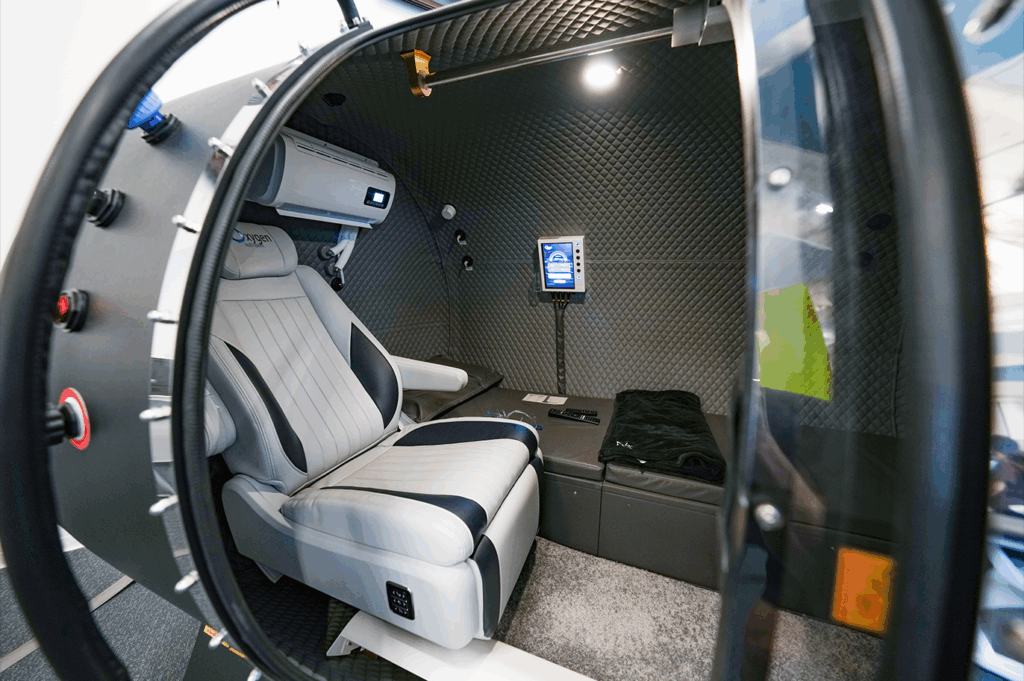
Hyperbaric Oxygen Therapy
Hyperbaric oxygen therapy increases oxygen delivery to tissues, which may support healing in chronic inflammatory conditions. By improving oxygenation at the cellular level, this therapy may assist in recovery from long-standing spine-related pain.
It is typically used as part of a comprehensive, multi-modal treatment plan.
Massage Therapy
Massage therapy works in coordination with spine rehabilitation to reduce muscle tension, improve circulation, and enhance recovery.
For patients with chronic muscular tightness or stress-related back pain, massage can complement strengthening and mobility work, making other therapies more effective.
Sports Performance & Conditioning Programs
For athletes and active individuals, returning to performance safely is a key goal. VSI offers sports performance and conditioning programs designed to restore strength, improve spinal resilience, and reduce the risk of future injury.
These programs focus on movement quality, stability, and sport-specific training to help patients return to their activities with confidence.
Who Is A Candidate For Non-Surgical Spine Treatment?
Many people with chronic back pain are good candidates for non-surgical spine treatment. In fact, conservative care is often the first and most appropriate step before considering surgery.
You may be a candidate for non-surgical back pain treatment if you:
- Have chronic lower back pain lasting more than 12 weeks
- Experience disc-related pain without severe nerve damage
- Have mild to moderate degenerative disc disease or arthritis
- Notice stiffness, muscle tightness, or posture-related pain
- Want to explore alternatives to back surgery
Non-surgical treatment is especially effective when pain is caused by inflammation, muscle imbalance, early degenerative changes, or mechanical stress on the spine. Many patients see meaningful improvement with structured physical therapy and targeted rehabilitation.
However, not every case of chronic back pain can be treated conservatively. You should seek immediate medical evaluation if you experience:
- Progressive weakness in the legs
- Loss of bowel or bladder control
- Severe or worsening nerve compression symptoms
- Significant spinal instability
In these cases, surgical evaluation may be necessary. The key is identifying the true source of pain and choosing the safest, most effective path forward.
When Surgery May Be Necessary For Chronic Back Pain
While many patients improve with non-surgical treatment for chronic back pain, surgery may be recommended in certain situations. The goal is always to choose the safest and most effective treatment based on the severity and cause of symptoms.
Surgery may be considered if you experience:
- Progressive weakness in the legs
- Loss of bowel or bladder control
- Severe nerve compression causing worsening numbness
- Structural instability of the spine
- Persistent pain that does not improve after several months of structured conservative treatment
In these cases, delaying surgery could lead to worsening nerve damage or reduced long-term outcomes. However, most chronic back pain does not require immediate surgical intervention.
A comprehensive spine evaluation helps determine whether conservative care is appropriate or whether surgical options should be discussed. The decision is always individualized based on your diagnosis, symptoms, and overall health.
How VSI Personalizes Chronic Back Pain Treatment
No two cases of chronic back pain are exactly alike. That is why treatment at VSI begins with a comprehensive spine evaluation designed to uncover the root cause of your symptoms.
Your care plan may include:
- A detailed medical history and physical examination
- Advanced imaging review when necessary
- Functional movement assessment
- Identification of muscular imbalances or joint restrictions
From there, a personalized non-surgical treatment plan is created based on your diagnosis, lifestyle, activity level, and goals.
Rather than applying a one-size-fits-all approach, VSI combines targeted physical therapy, hands-on treatment, and advanced rehabilitation technologies in a coordinated plan. Progress is continuously monitored and adjusted to ensure your treatment remains aligned with your recovery.
The goal is not simply short-term pain relief, but long-term spine health, improved movement, and prevention of future flare-ups.
For many patients, this individualized conservative approach provides significant relief and restores confidence in daily activity without the need for surgery.
When To See A Spine Specialist
If your back pain has lasted longer than three months, continues to interfere with daily activities, or radiates into your legs, it may be time for a comprehensive evaluation.
Early diagnosis is one of the most important factors in successful non-surgical treatment for chronic back pain. Identifying the true cause of symptoms allows for a targeted, personalized treatment plan designed to relieve pain and improve long-term spine health. At VSI, our team of spine doctors focuses on conservative, diagnosis-driven care whenever possible. If you are living with chronic back pain and want to explore non-surgical treatment options, scheduling an evaluation is the first step toward lasting relief.
Topics covered
About the Author
Featured Resources
Insights to Achieve a Pain-Free Life